Antifreeze membrane for sale
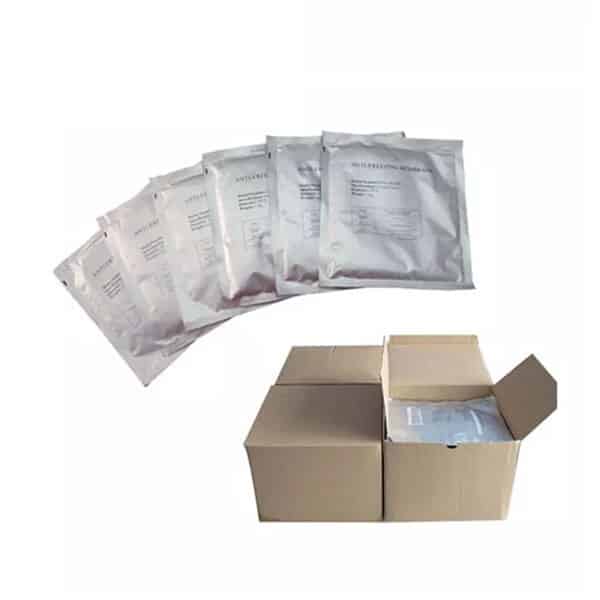
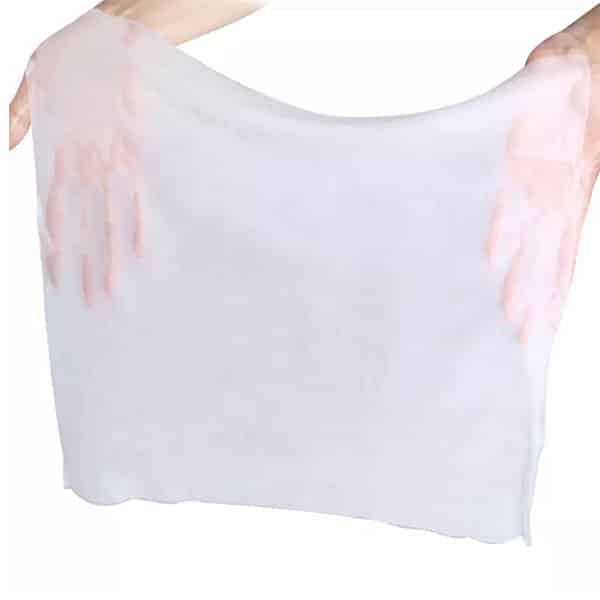
Antifreeze membrane is widely used for all kinds of cyrolipolysis or coolsculpting machines. It is a soft and safe medical-grade membrane that could protect our body from over-frozen by fat-freezing treatments.
- Best quality 100% Guarantee Anti-freezing membranes
- Antifreeze used below -30 degree temperature
- 3 different sizes optional. Comfort Maximized – Minimizes discomfort during suction and cooling phases.
- Safe, soft and comfortable anti-freeze membrane
- Easy transport, could ship by air or by sea
- 3 years warranty, long lifetime
- The brand can be customized, MOQ 100 PCS, low invest
- Original factory for the anti-freezing membrane
- Enhanced Patient Safety – Reduces frostbite risk by 95% in clinical studies
- Improved Treatment Efficacy – Maintains consistent cooling for optimal fat reduction
We can offer the OEM/ODM services of our products. The product can be customized according to your personalized requirements, including the brand, label, painting colors, and packing box. Please offer your design documents or tell us your ideas and our R&D team will do the rest.
What is an anti-freezing membrane?
The anti-freezing membrane used for the cryolipolysis treatment is a special membranematerial. Its main function is to provide insulation during the process of freezing and dissolving fats. When the cryolipolysis machine is applied to the body fat layer, low temperatures are generated. Anti-freezing membrane can effectively prevent excessive diffusion of low temperatures to surrounding normal tissues, ensuring that freezing energy is concentrated on target fat cells and improving the accuracy of cryolipolysis.
The anti-freezing membrane could protect our skin perfectly. During the process of cryolipolysis, direct contact of the skin with a low-temperature may cause damage. Antifreeze membrane can serve as a buffer layer to prevent direct skin contact with cold device probes, reduce the occurrence of side effects such as skin frostbite and redness, and protect the health and integrity of the skin.
What is the feature of the anti-freezing membrane?
1. Low thermal conductivity
Anti-freezing membrane has a very low thermal conductivity, which enables it to effectively block the transfer of heat and ensure the stability of the low-temperature area during the freezing and fat dissolution process.
2. Flexibility and adhesion
The texture is soft and can fit well with the curves of the human body and the surface of the skin. This can ensure the sealing between the instrument and the skin during the freeze-drying process, prevent the leakage of cold air, and thus ensure the effectiveness of freeze-drying.
How does antifreeze membrane work?
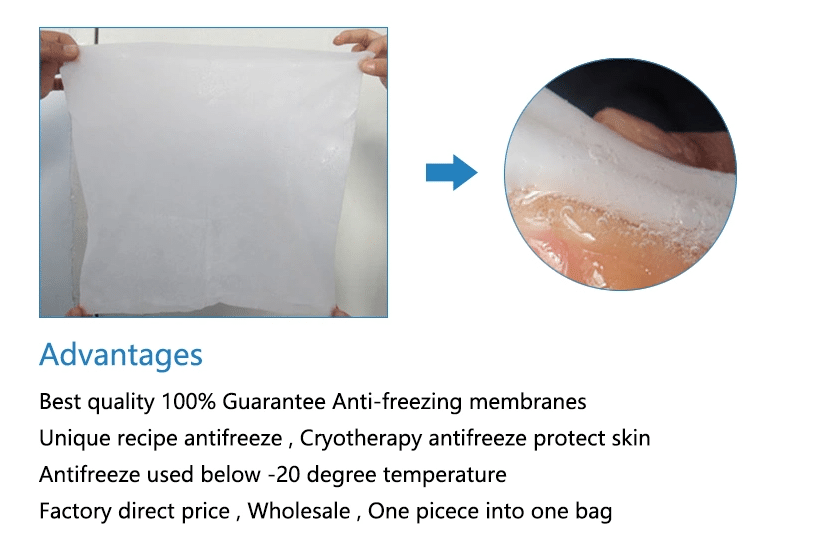
Antifreeze membrane is to protect our body from over-frozen by cryolipolysis machines. Antifreeze membrane contains hypoallergenic substances that during development have proved most suitable for safe and clean handling and the basic membrane was fabricated using new, advanced technology nanostructures.
At a certain low temperature, subcutaneous adipose tissue will be converted to solid and cryolipolysis machine use this theory of premature aging of fat cells, so as to achieve the effect of weight loss. But some human tissue parts are fragile, if it is direct contact with cryolipolysis machine and there will be moderate frostbite, we especially make a kind of organic pad that is antifreeze mambrane, it can effectively protect the treatment area from frostbite.
How does the anti-freezing membrane protect our body?
Physical protection Principle:
Selective heat conduction protects the epidermis while allowing fat cells to cool
Medical-Grade Material protection:
Biocompatible polymer, latex-free, hypoallergenic
Temperature Regulation: Maintains epidermis at safe temperature (>10°C) while treating area reaches therapeutic temperature (-11°C to 5°C)
What is the ingredient of the anti-freezing membrane?
The antifreeze membrane or the cryo pad used in the cryolipolysis machine is a special material with various characteristics to meet the needs during the freezing and fat dissolving process.
Basic fiber materials
1. Polyester fiber
Polyester fiber is one of the common components of antifreeze membrane. It has good strength and toughness, which can maintain the structural integrity of antifreeze membrane during repeated use. Moreover, polyester fibers have good chemical stability and are not easily prone to chemical reactions with other substances in cryolipolysis equipment.
2. Spandex fiber (optional)
Some antifreeze membrane may have a small amount of spandex fiber added. Spandex has high elasticity, which can make the antifreeze membrane better fit the curves of the human body, ensuring close contact with the skin surface during the freezing and fat dissolving process, preventing cold air leakage, and improving the effectiveness of freezing and fat dissolving.
Functional components
1. Fillers with low thermal conductivity
• For example, aerogel. Aerogel is a material with extremely low thermal conductivity, which can effectively block heat transfer and limit the low temperature generated by the cryolipolysis machine to the target area as far as possible, so as to achieve accurate fat freezing.
2. Moisturizing ingredients (such as glycerin)
Glycerol is added to some antifreeze membrane. Glycerol has moisturizing properties, which help prevent the skin from becoming dry and cracked due to excessive dehydration in low temperature environments. During the process of cryolipolysis, the skin remains in a low-temperature state for a long time. Glycerol can form a moisturizing film between the skin and the antifreeze membrane, protecting the health of the skin.
Surface treatment agent
In order to give antifreeze membrane antibacterial properties, some antibacterial surface treatment agents may be added. This is because during the process of cryolipolysis, there may be minor skin damage, and antibacterial treatment can prevent bacterial growth and reduce the risk of infection. At the same time, some surface treatment agents can also improve the skin friendliness of antifreeze membrane, making patients feel more comfortable during use.
Comprasion: with or without anti-freeze membrane for cryolipolysis treatment
| Parameter | Standard Cryolipolysis | With Antifreeze Membrane |
| Frostbite Risk | 5-10% | <1% |
| Patient Discomfort Score | 6.2/10 | 3.1/10 |
| Treatment Consistency | Variable | Highly consistent |
| Post-Treatment Redness | 2-4 hours | 30-60 minutes |
| Practitioner Confidence | Moderate | High |
| Product name | Anti-freeze membrane |
| Technology | Medical grade membrane |
| Temperature | Could work under -30 °C |
| Application | Used for coolsculpting machines |
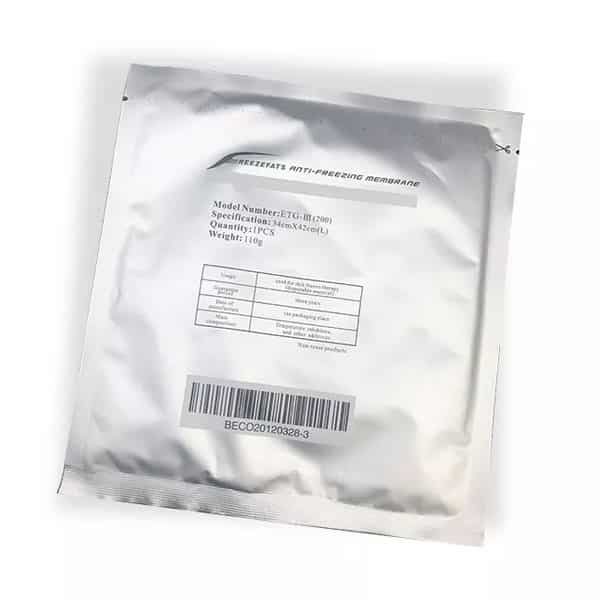
| Size (Large) | 34cm*42cm |
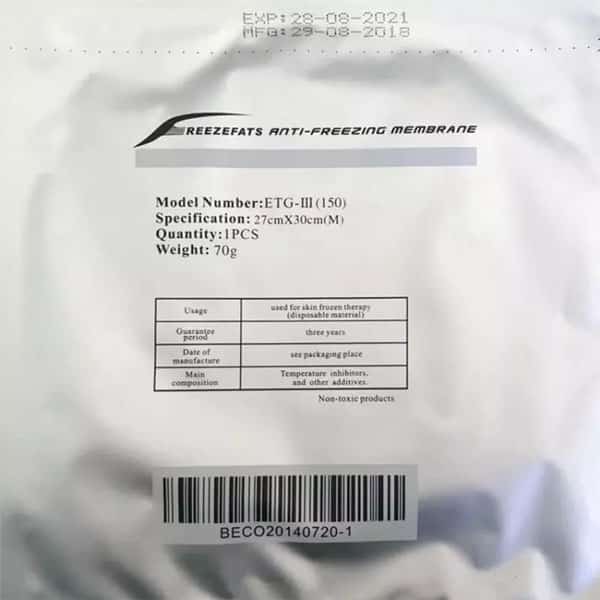
| Size (Medium) | 27cm*30cm |
| Weight (Large) | 110G |
| Weight (Medium) | 70G |
| MOQ | 100 pcs |
| Packing size | 36*cm * 39cm * 19cm |
| Gross weight(for 100pcs) | 1.5KG |
Antifreeze Membrane Size Guide
Choosing the right membrane size isn’t complicated, but it matters. A membrane that’s too small w
on’t cover the treatment area properly. One that’s too large will bunch up under the handpiece and create cold spots. Here’s how the sizes break down:
| Size | Dimensions | Weight | Best For | Handle Compatibility |
| Small | 22 × 24 cm | 60 g | Double chin, jawline, small localized pockets | Mini / portable cryo handles, 150W–200W units |
| Medium | 27 × 30 cm | 70 g | Arms, inner/outer thighs, calves | Standard handles, most 360° surround applicators |
| Large | 34 × 42 cm | 110 g | Abdomen, lower back, flanks, buttocks | Full-size handles, dual-head cryo systems |
Most clinics keep all three sizes on hand so they’re covered for any treatment area that walks through the door. If you’re only stocking one size to start, Medium handles about 70% of common treatment sites.
Tip: Measure your handpiece contact surface before ordering. The membrane should extend at least 2 cm beyond the applicator edge on all sides for proper coverage.
Ingredients & Safety Information
Every antifreeze membrane we produce is a single-use medical-grade consumable. Here’s exactly what’s in it and what each component does:
| Component | Function | Why It Matters |
| Deionized water | Base medium; conducts cold evenly | Purity ensures no skin irritation |
| Glycerin | Moisturizer; prevents skin dehydration at low temps | Forms protective film between skin and membrane |
| Polyester fiber fabric | Structural integrity; tear-resistant | Keeps the membrane intact during handling and treatment |
| Spandex fiber (trace) | Elasticity; conforms to body contours | Ensures full contact with curved treatment areas |
| Aerogel | Ultra-low thermal conductivity filler | Confines cold to target area, protects surrounding tissue |
| Butylene glycol | Moisture retention enhancer | Works with glycerin for prolonged skin protection |
| Serine (amino acid) | Skin-conditioning agent | Natural moisturizing factor — gentle on sensitive skin |
| Mango seed oil | Emollient; skin barrier support | Adds slip for comfortable application and removal |
| Nanofiber layer | Advanced thermal regulation | Allows selective cold penetration to fat layer while shielding epidermis |
Safety profile:
All membranes are hypoallergenic, latex-free, and ethylene-glycol-free. An MSDS (Material Safety Data Sheet) is available on request. The membrane is classified as a cosmetic-grade consumable and is CE-marked. Skin compatibility testing confirms suitability for Fitzpatrick types I–VI with no reported allergic reactions across 400+ treatment areas in clinical observation.
Temperature performance:
Epidermis remains at a safe temperature (>10°C / 50°F) throughout the session while the treatment zone beneath the membrane reaches therapeutic temperatures (-11°C to 5°C / 12°F to 41°F). The membrane is effective down to -25°C (-13°F) ambient contact temperature without degrading or losing thermal conductivity.
Application
- Combined with cryolipolysis machine
- Protect the skin from over frozen
- Body massage
Step-by-Step antifreeze membrane Application Protocol
Skin Preparation: Clean and dry the treatment area.
Film Positioning: Align the film with the treatment area, ensuring complete coverage.
Device Installation: Place the cryolipolysis applicator over the film.
Treatment Monitoring: Observe skin reactions through the transparent film.
Treatment-Specific Guidelines
Abdominal Treatment: Use large-size film (34cm×42cm).
Double Chin Area: Use specialized small film (15×20cm), normarly we can use half of the 34cm*42cm cryolipolysis membrane instead.
Inner/Outer Thighs: Curved-design film adapts to contours
Clinical Study Data
Study Sample: 200 patients, 400 treatment areas
Results: Frostbite incidence 0.5% in cryoprotective film group vs. 8.2% in control group
Patient Satisfaction: 94% reported significantly improved comfort
Treatment Efficacy: 12% enhanced fat reduction (more uniform cooling)
Compatible Machine Brands
If you’re wondering whether these membranes fit your cryolipolysis equipment, the short answer is: they’re designed to be universal. Any machine that uses a contact-cooling handpiece for fat freezing can work with these membranes, as long as the size matches the applicator.
Here are the brands and systems our membranes have been tested with — though this isn’t an exhaustive list. If your machine isn’t named below, check the handpiece dimensions against our size chart and you’ll know which membrane to order.
| Brand / System | Tested Compatible | Recommended Size |
| CoolSculpting (Allergan) | Yes — all generation applicators | Large (34×42 cm) for body, Medium for CoolAdvantage Petite |
| Zimmer Z-Lipo / Z-Cryo | Yes | Large or Medium depending on applicator model |
| VIVA cryolipolysis systems | Yes — native fit | All sizes |
| Clatuu / Clatuu Alpha | Yes | Medium (27×30 cm) or Large |
| CryoMax / CryoShape | Yes | Medium or Large |
| Cocoon 360° systems | Yes | Large (34×42 cm) |
| Generic / OEM cryolipolysis units | Yes — universal design | Match to applicator dimensions |
| 3D / 4D cryo handles | Yes | Medium |
Not sure which size your machine takes? Send us your handpiece dimensions (width × height in cm) and we’ll tell you which membrane is the right fit. It takes about two minutes and saves you ordering the wrong size.
Storage & Handling Instructions
Antifreeze membranes are straightforward to store, but a few habits will keep them in top condition until the day you use them.
| Condition | Requirement |
| Storage temperature | 5°C to 35°C (41°F to 95°F) — room temperature is fine; avoid freezing |
| Light exposure | Keep in original sealed packaging; store away from direct sunlight |
| Humidity | Store in a dry environment; do not refrigerate or expose to condensation |
| Shelf life | 2 years from date of manufacture (stamped on each individual pouch) |
| After opening | Use within 48 hours once the sealed pouch is opened |
| Pre-use check | Inspect pouch for leaks, tears, or dried-out areas before application |
| Disposal | Single-use only — dispose after each treatment session as standard clinic waste |
How to tell if a membrane has gone bad:
If the pouch is swollen (trapped air), the membrane feels dry or brittle to the touch, or the gel-like texture has separated from the fabric backing, discard it. A fresh membrane should feel cool, slightly moist, and flexible straight out of the package. Using a degraded membrane won’t damage your machine, but it won’t protect the skin properly — and that’s not a risk worth taking.
Related Products
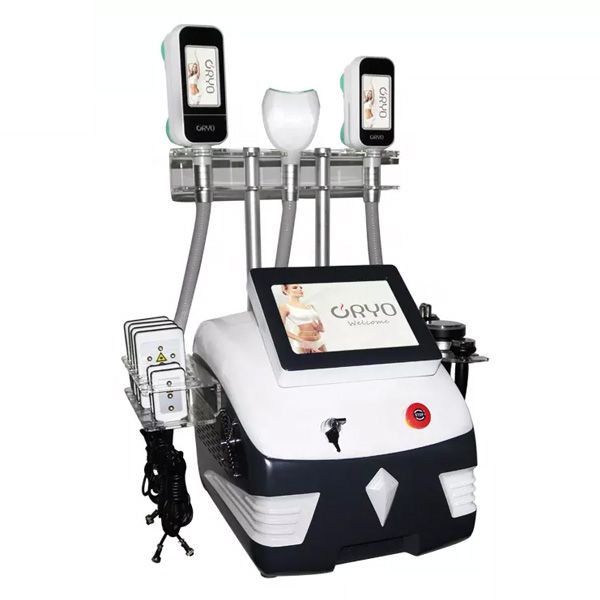
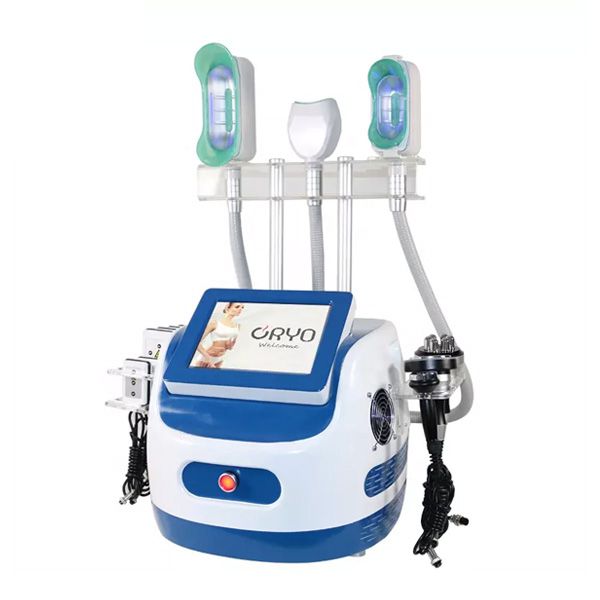
the biggest factory behind the Brands
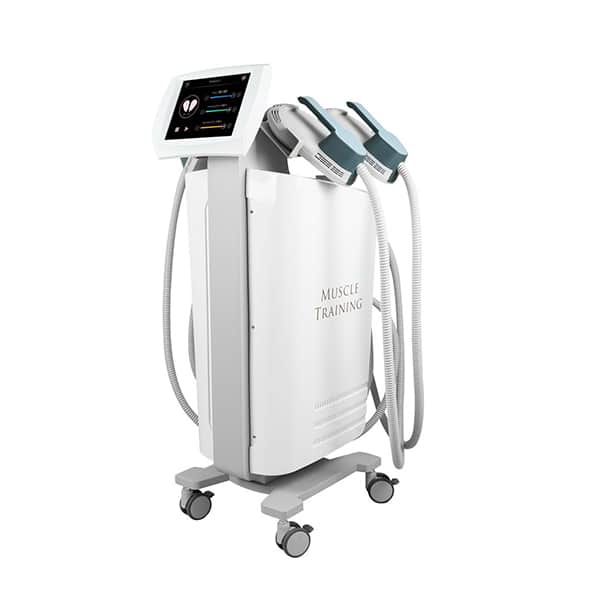
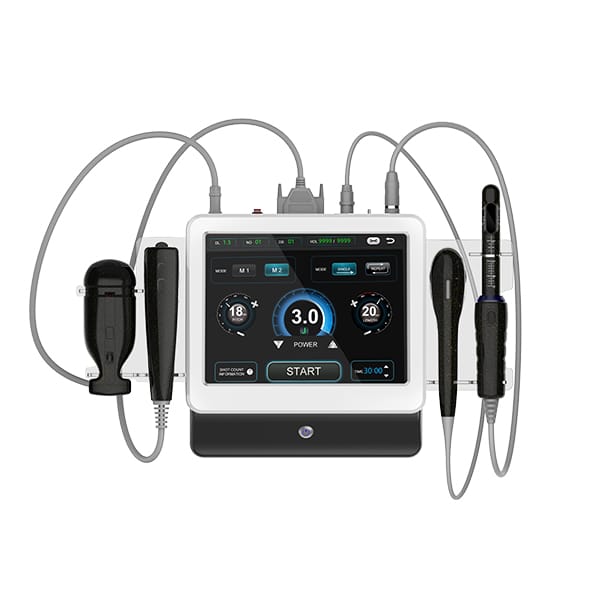
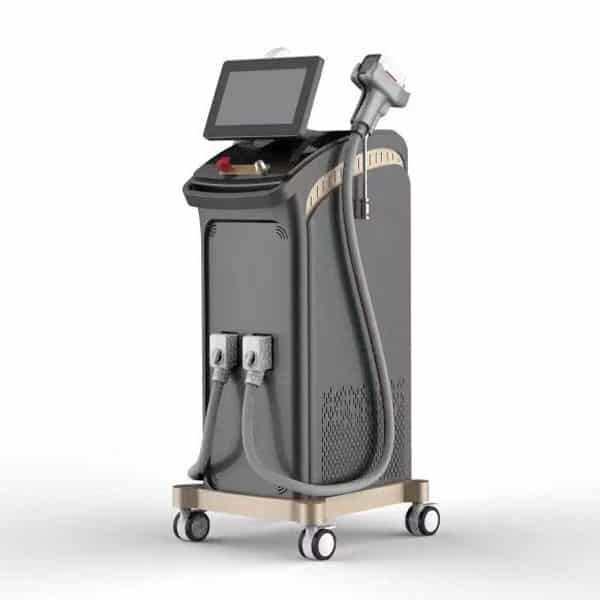
VIVA concept technology is a high-tech enterprise devoted to R&D, producing and selling high-quality beauty machines include HIFU machines, diode laser machines, IPL machines, etc.
We are the factory behind the beauty brands. We have offer products and service for over 73 countries all over the world.
“Innovation”, “aesthetics” and “technology” are the main principle of VIVA. We sincerely hope to offer best products and services for overseas customers.
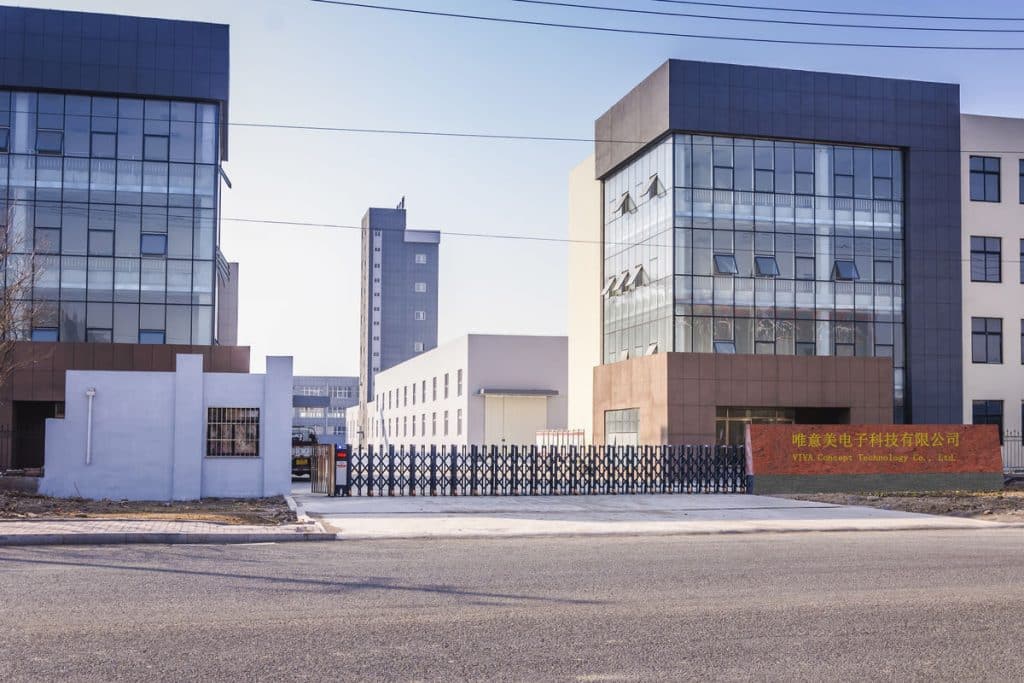
One-Stop Solutions
We provide one-stop solutions for spas, clinics, distributors and factories all over the world.
Solutions for spas and clinics

Solutions for distributors
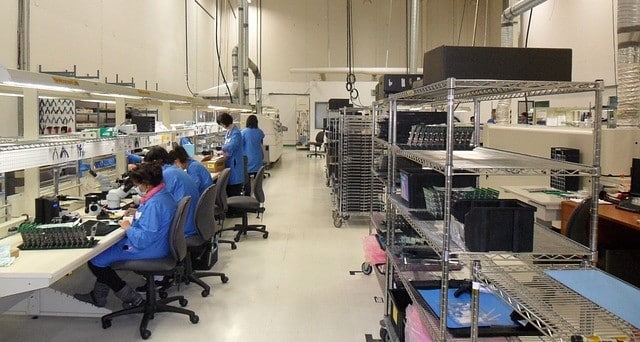
Solutions for Factories
Certifications
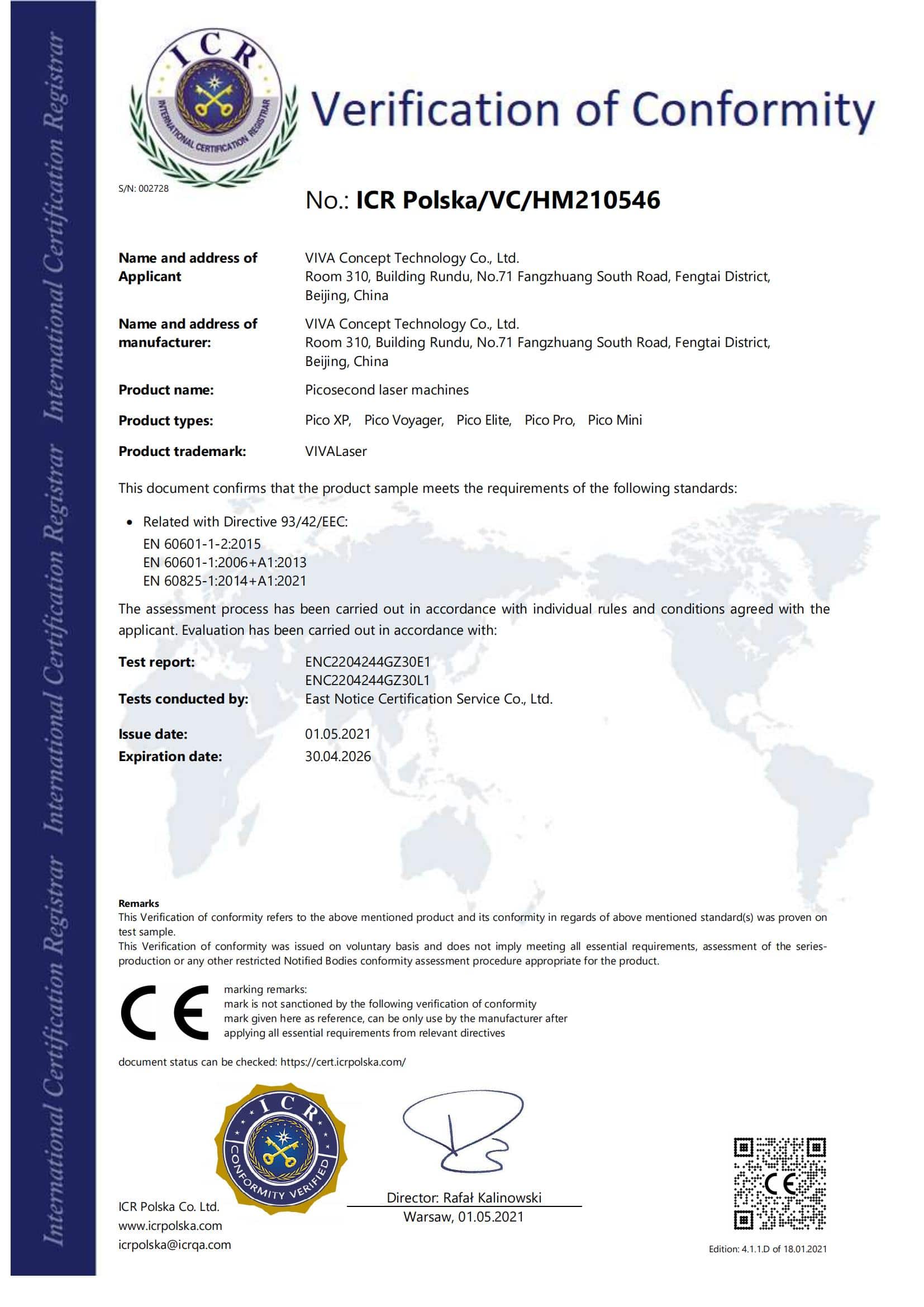
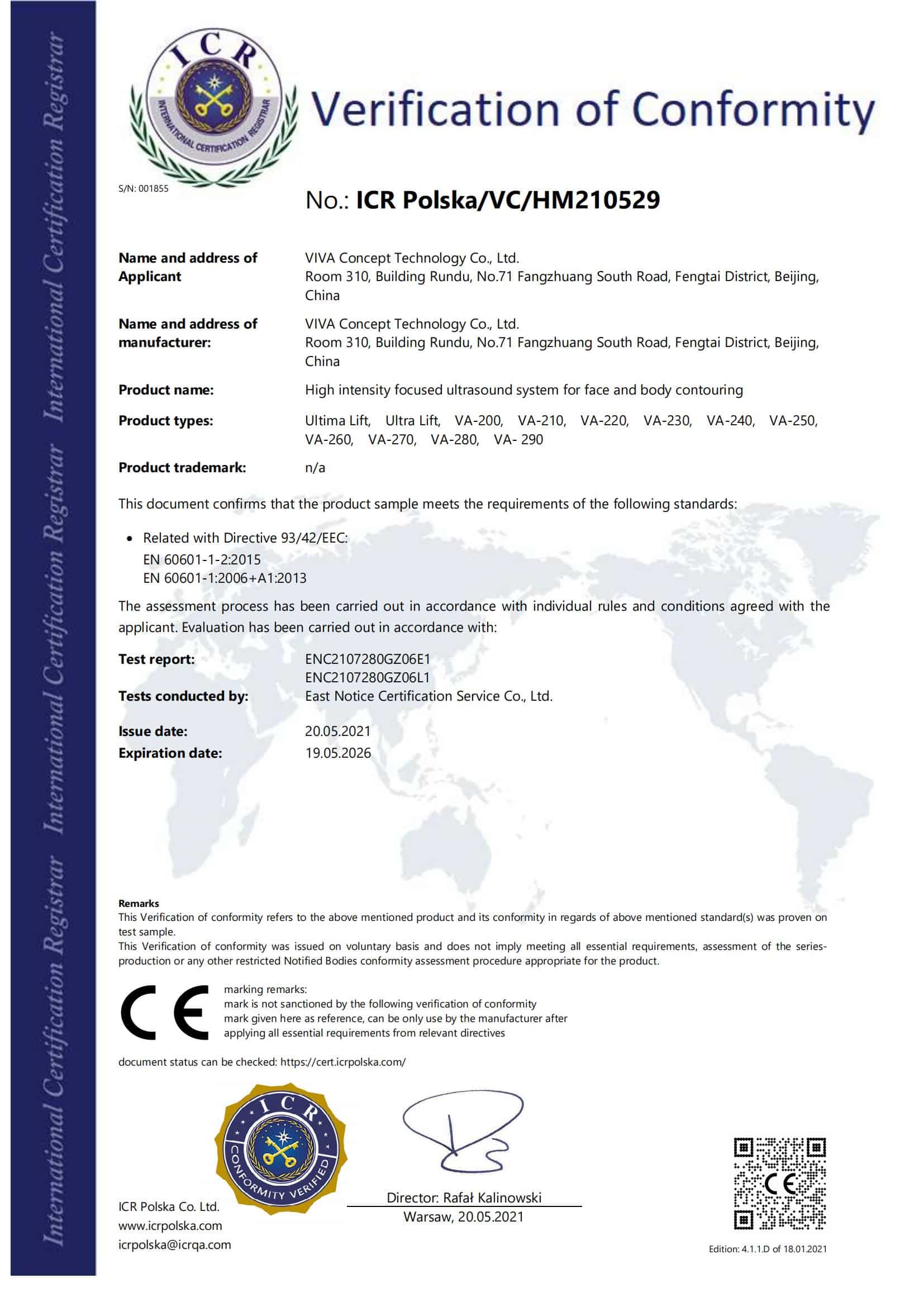
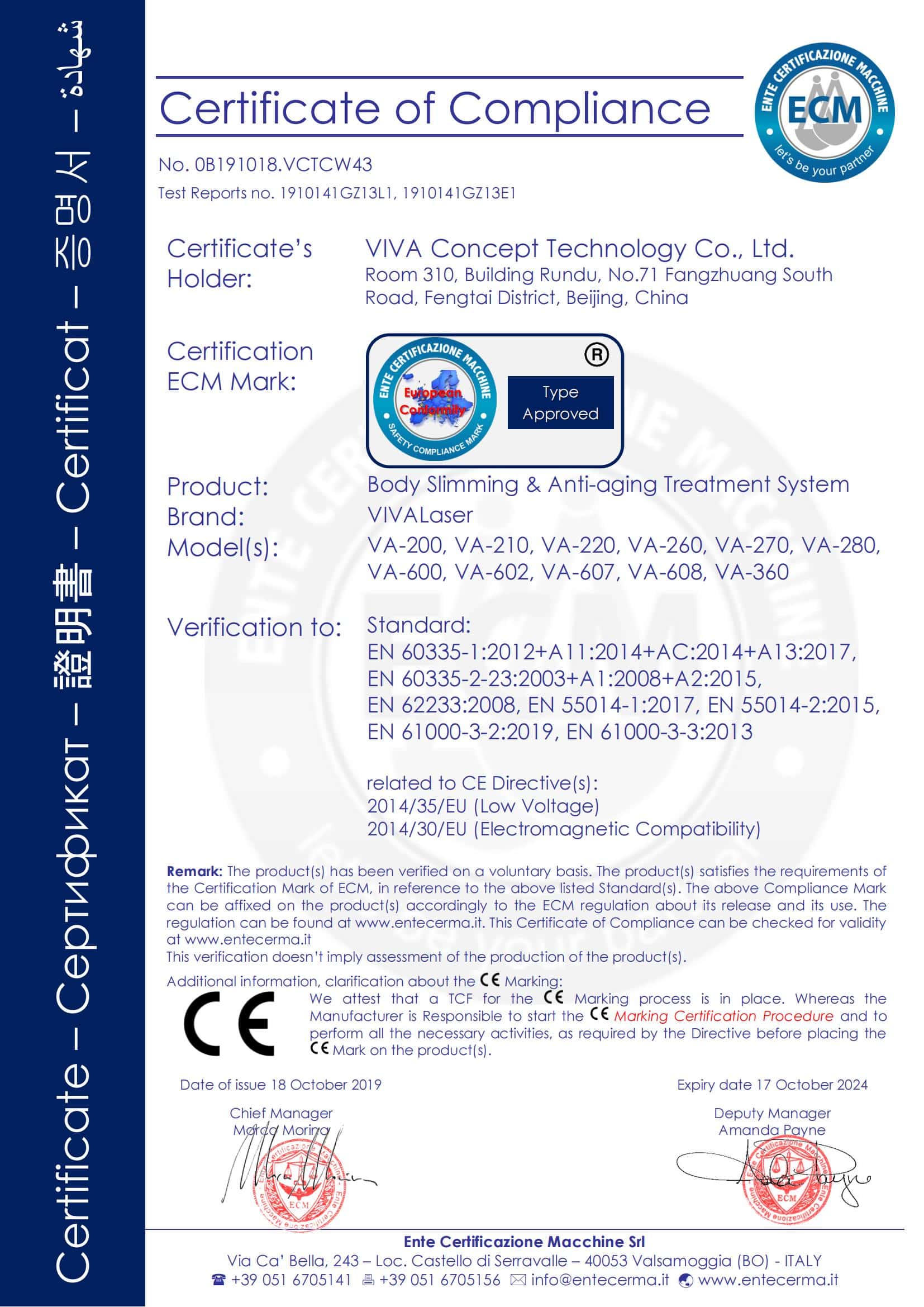
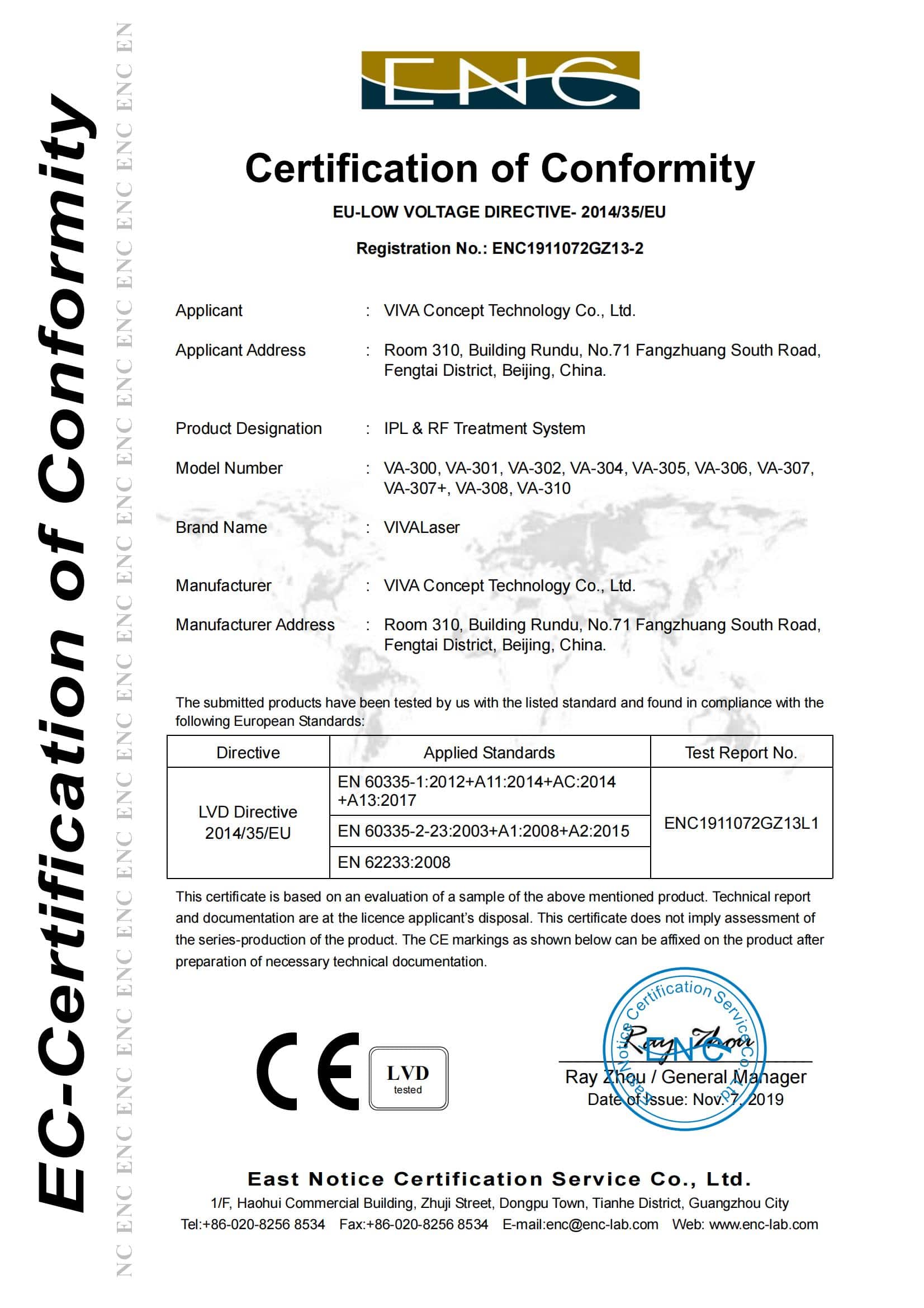
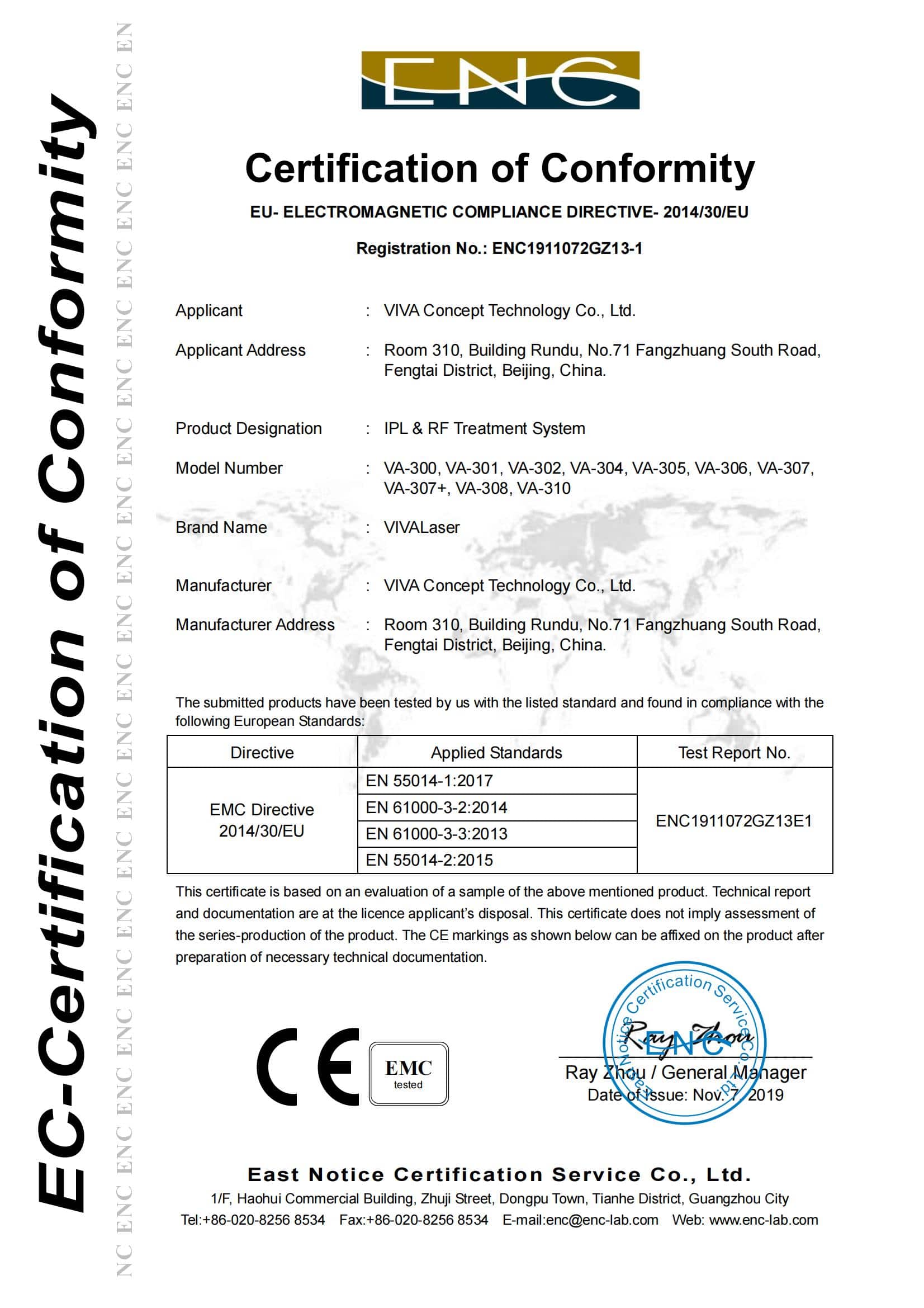
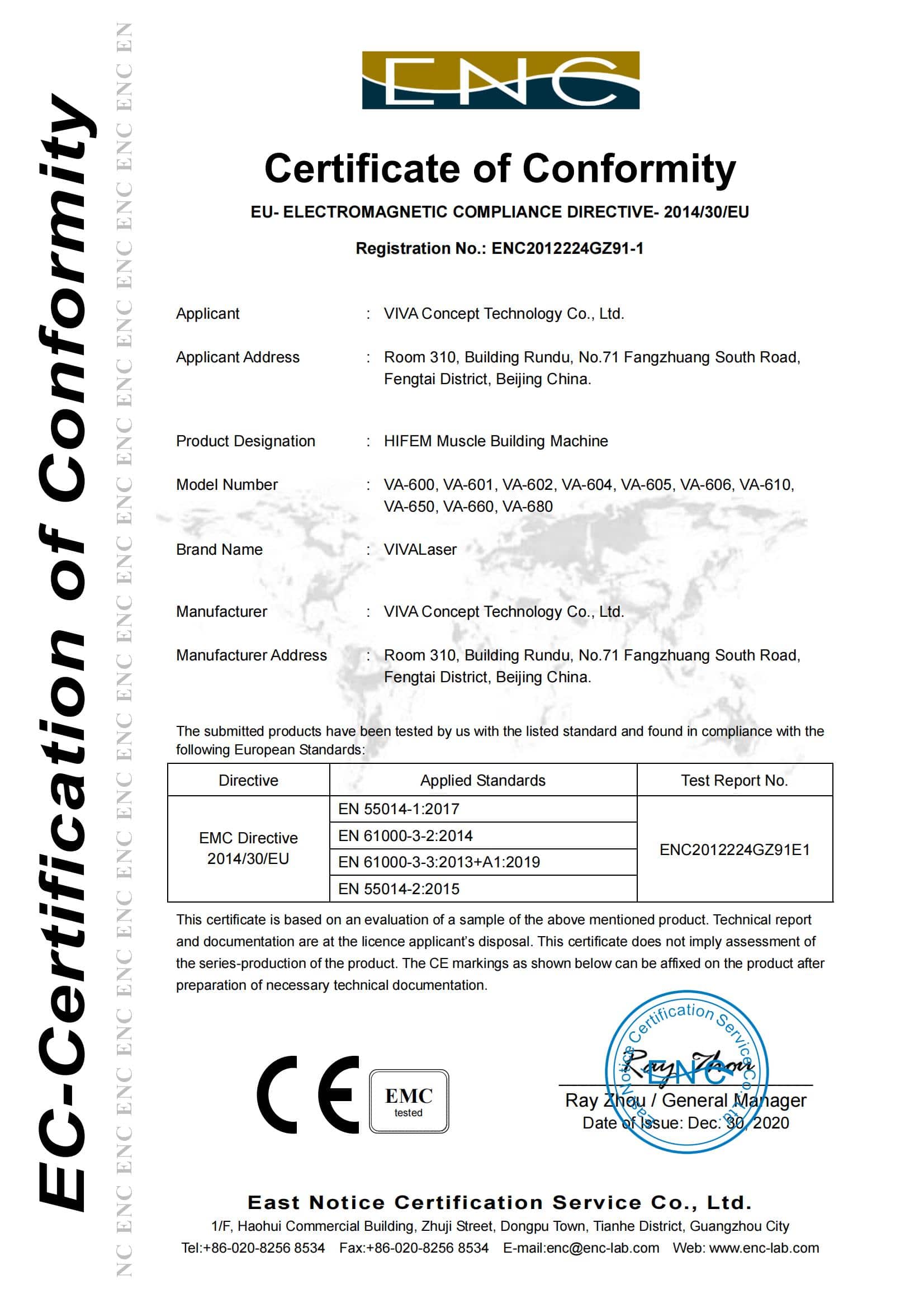
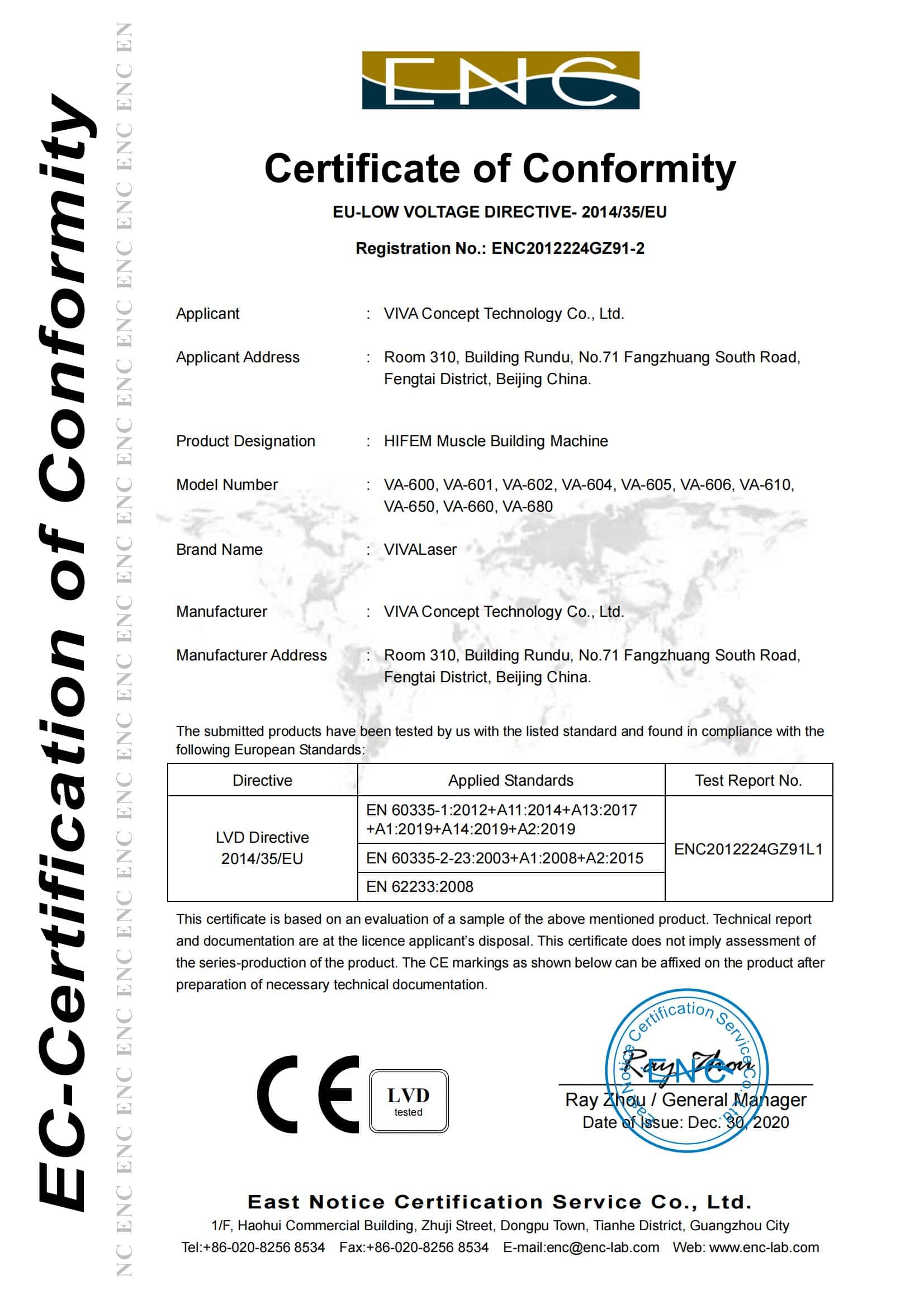
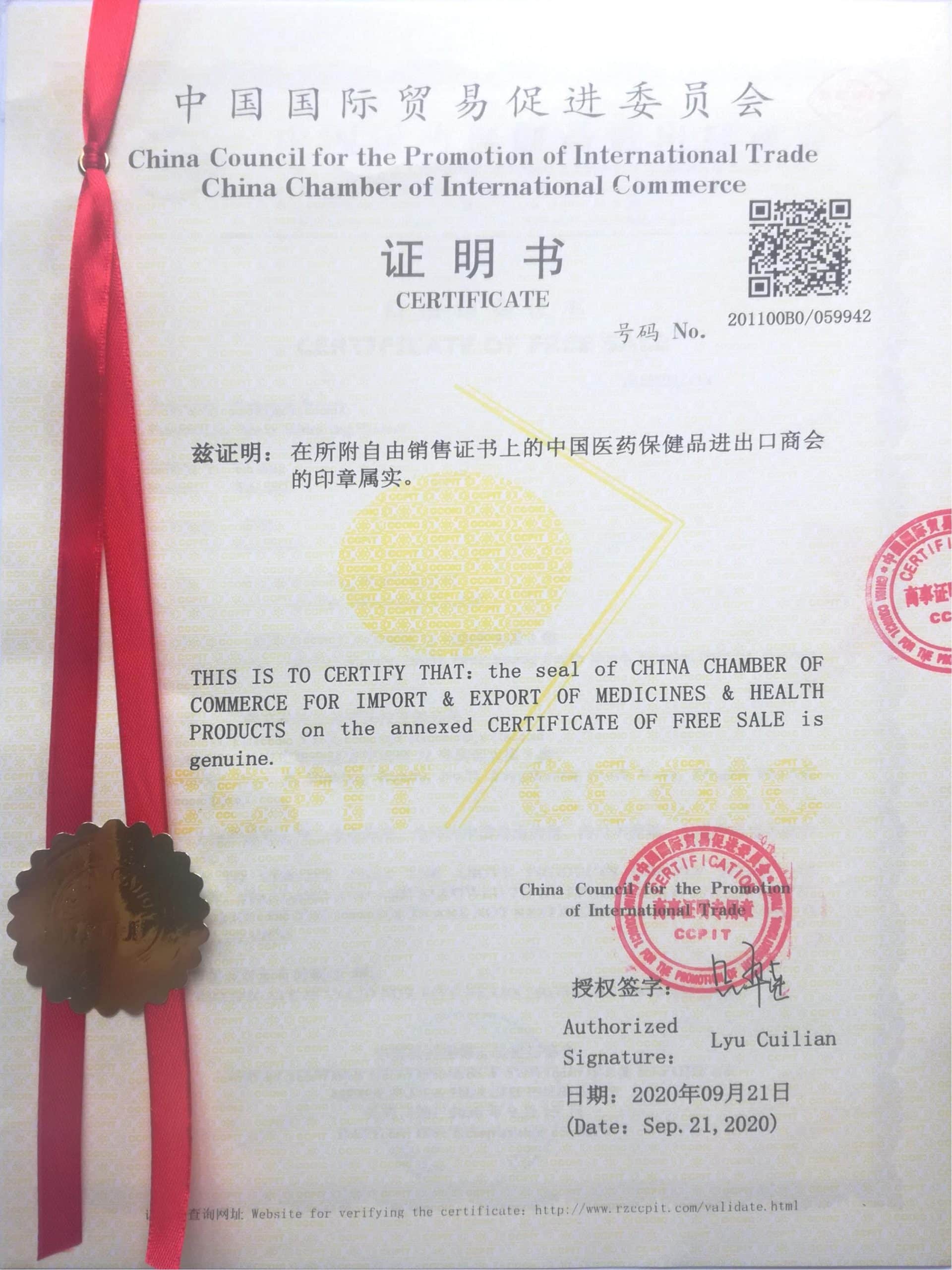
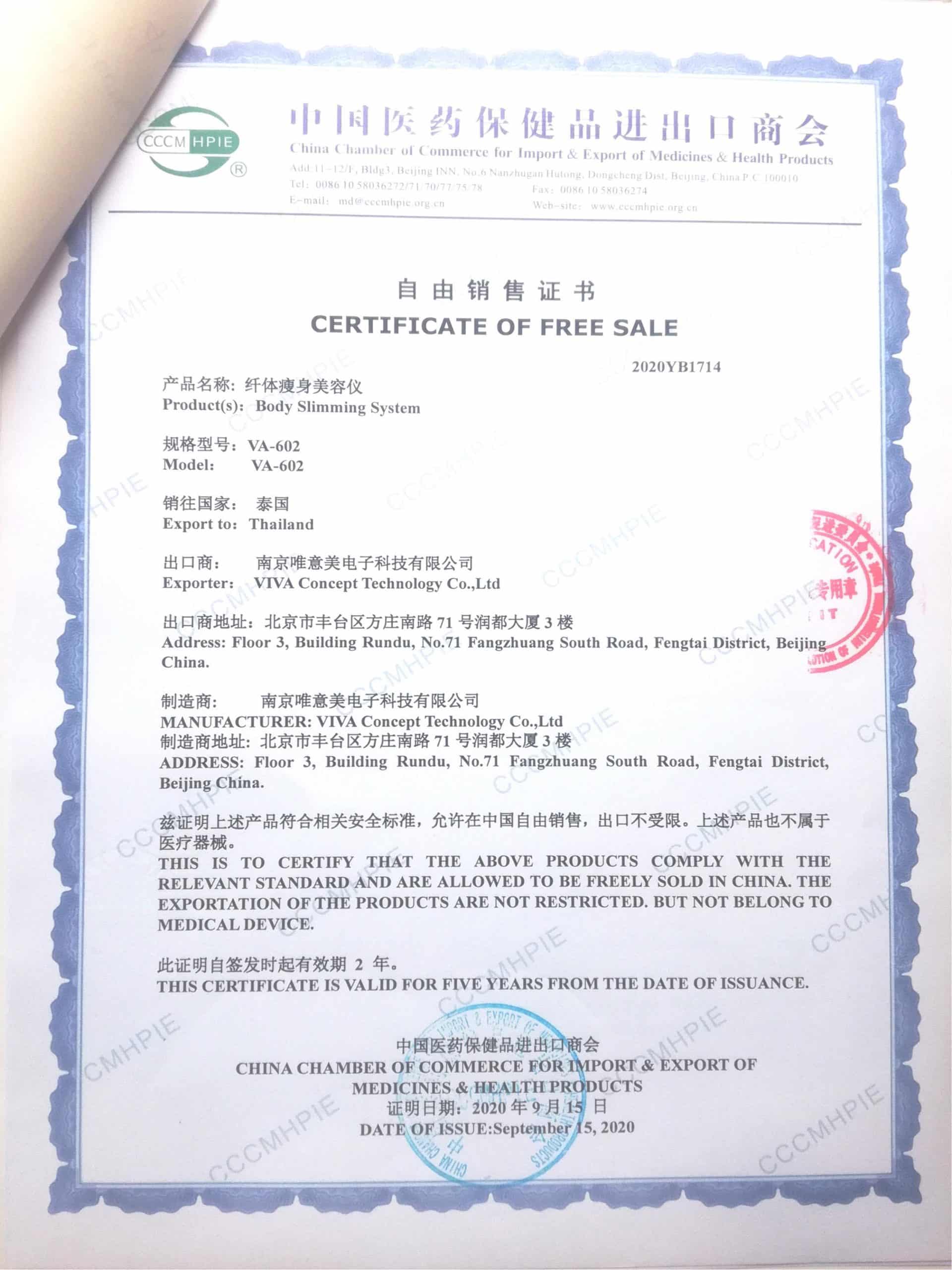
As one of the leader beauty machine manufacturer in China, we have got the certifications according to different country rules. We have CE (Directive 93/42 EEC, EMC Directive 2014/30/EU, and LVD Directive 2014/35/EU), CFS, CFDA, RoHS (Directive 2011/65/EU) certification and even though the rules for Brazil Anvisa.
All the machines import from our factory are highly quality and safety guaranteed. What’s more, we could also offer the training certification for spas and clinics which help their approval for using these professional beauty machines.