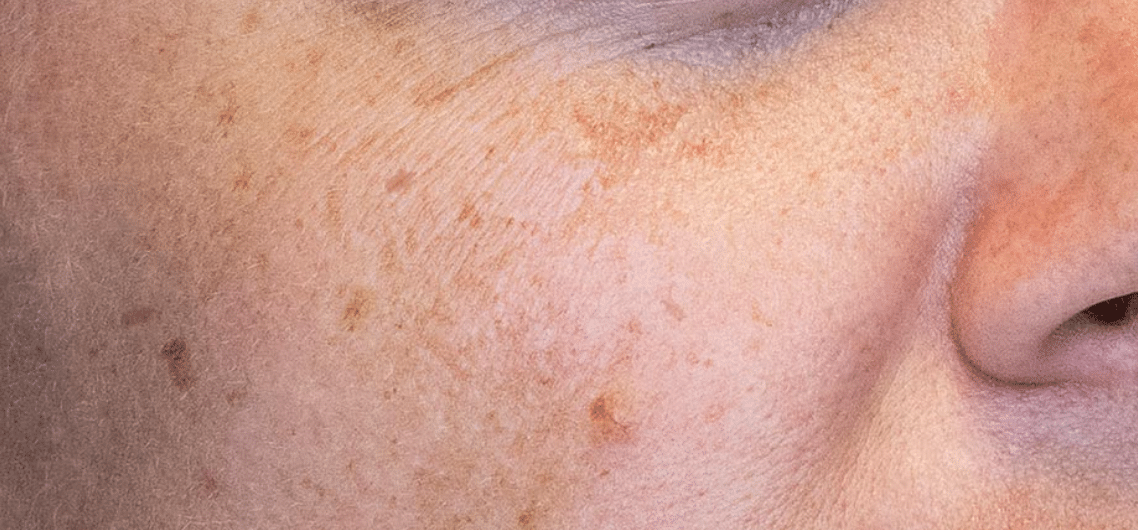
How long does pigmentation begin to fade after laser treatment?
After you have finished your laser treatment, most person would like to know how long it take for the pigmentation to fade away. Let’s look at some different scenarios to provide the best possible answer to that question as it applies to different skin conditions.
IPL is short for Intense Pulsed Light, also known as photorejuvenation. The procedure for using IPL is commonly called a photo facial. Treatments are performed at your dermatologist’s office by a highly trained professional, usually a licensed aesthetician or a dermatologist. IPL can be a fantastic therapy for erasing mild sun damage, and freckles, and getting rid of – or greatly reducing – irregular pigmentation and light brown spots on the face, neck, and chest.
Pigmentation Fading Timeline at a Glance
Different types of pigmentation fade at different speeds. Here is a quick reference before the detailed sections below:
| Pigmentation Type | Initial Darkening | Starts to Fade | Noticeable Results | Full Fading |
|---|---|---|---|---|
| Brown spots (lentigines) | 1–3 days after treatment | 7–14 days | After 1–2 sessions | 4–6 sessions (3–6 months) |
| Hyperpigmentation (PIH) | 3–5 days after treatment | 2–6 weeks | 2–3 months | 3–6 months or longer |
| Melasma | May darken (rebound) | 4–12 weeks | 3–6 months | 6–12+ months (ongoing care) |
Fading of brown spots
Brown spots, also referred to as “lentigines” in medical terminology, will fade over several treatments. Most patients will require 4 to 6, but everyone is different. After that, some people may need occasional maintenance treatments to keep their skin looking young and healthy.
When treating brown spots (also known as hyperpigmentation) or melasma (larger areas of brown discoloration) you may see an immediate darkening of some skin around the treatment area.
This is common and nothing to worry about. The temporary darkening occurs if there is brown pigment in the upper layers of your skin. The darkened area typically begins to fade in 7 to 14 days. This is when you’ll also begin to notice that many superficial brown spots around the treated area are becoming lighter, and less noticeable. They won’t vanish with one IPL treatment, but in almost all cases patients will see progress.
Fading of hyperpigmentation
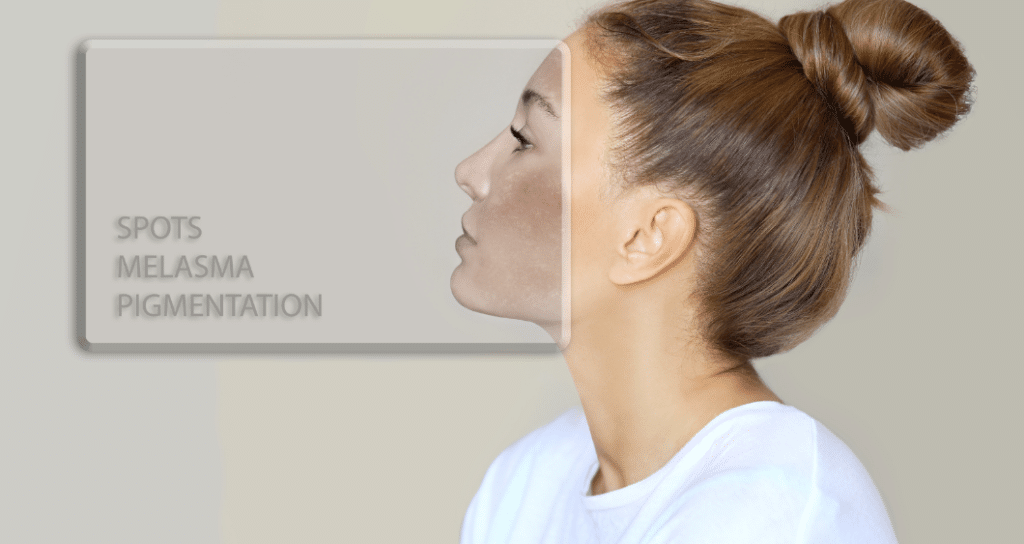
The fading of hyperpigmentation depends on the skin area and the type of spots being treated (sun spots, brown spots, dark spots, and age spots). If the pigment is located deeper in the skin, which is common with melasma, you might not see any initial darkening of excess pigment after your first photo facial. To improve deeper pigment issues and brown spots, a series of treatments spaced apart by about one month each will be needed to produce healthy skin with fewer brown spots and less discoloration. It may not be possible to erase all spots and discoloration, but significantly lighter skin and improvement in overall skin health are common.
Fading of Melasma
Treating melasma is more complex and time-consuming because the pigmentation exists in the deeper layers of the skin. Successful treatment depends largely on the skill and experience of the individual performing IPL therapy. This is why you should go to a licensed aesthetician or dermatologist for IPL treatments. The therapy works, but it is only as good as the individual who’s operating the equipment.
With your first and subsequent IPL treatments, improvement is most noticeable starting about a week after each session. You’ll see the greatest results after 3 to 6 months if you do a series of IPL treatments spaced out about a month apart for each session. Results can vary from session to session, but the goal is steady progress. We schedule your therapy appointments about a month apart because skin cells turn over every 30 days or so. This gives your skin time to recover and produce naturally skin-smoothing collagen, which is one of the great advantages of IPL therapy.
The reason you should plan for at least five treatments is that each IPL session builds on the progress of the previous session. Over time, this non-invasive cosmetic procedure builds upon each session to produce clearer, more evenly toned skin. There’s no downtime and discomfort is minimal. These benefits are possible by spreading treatments across a period of months. This gives your skin time to heal between each therapy session and helps your dermatologist assess the progress being made with your therapy. Also, IPL therapy is designed to treat one skin layer at a time. Pigment discoloration can exist at different depths in your skin. Follow-up sessions enable us to treat these deeper layers of your skin to produce the best results.
You will play a vital role in your own treatment. By following your aesthetician’s or dermatologist’s advice and taking sensible precautions, you can maximize the success of IPL therapy. Perhaps the single most important thing you can do is stay out of the sun for at least 2 weeks before and after each treatment. This avoids any adverse reaction related to therapy. Here are other guidelines your dermatologist will recommend that you follow to get the best possible results from your IPL treatments.
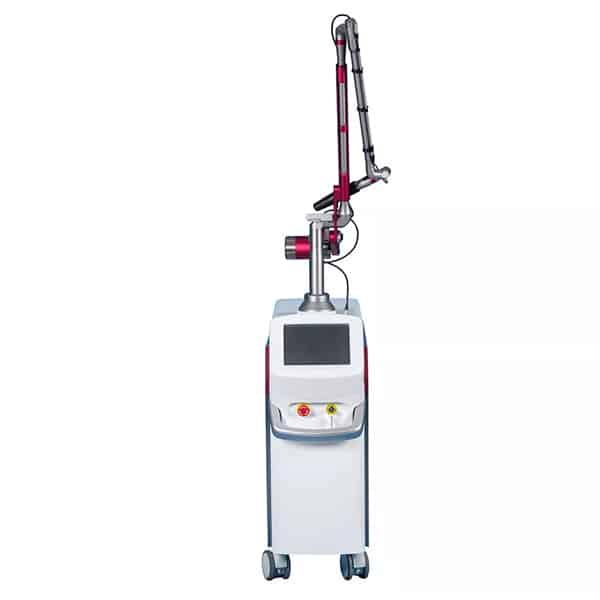
| Image | Product | Technology | Laser Wavelength | Pigmentation Type |
|---|---|---|---|---|
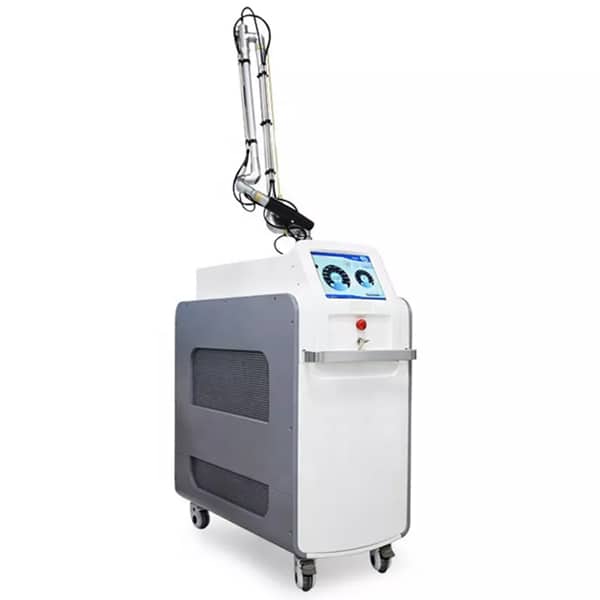 |
Picoway laser machine | Pico laser | 1064nm/532nm/1320nm/755nm | Pigmentation in the dermis and epidermis |
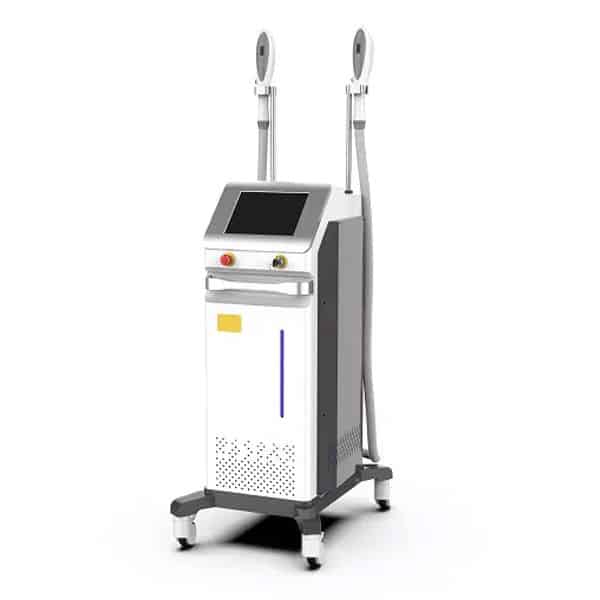
 |
Picosecond laser machine | Pico laser | 1064nm/532nm/1320nm/755nm | Pigmentation in dermis and epidermis |
 |
IPL skin rejuvenation machine | IPL | 560nm-1200nm | Pigmentation in epidermis |
 |
Pigment removal Q-switch laser machine | Q-switched Nd:YAG | 1064nm/532nm | Dermal & epidermal pigmentation, melasma |
 |
IPL machine for pigmentation removal | IPL | 560nm-1200nm | Epidermal pigmentation, sun spots, freckles |
Why Does Pigmentation Darken Before It Fades?
One of the most common concerns after laser or IPL treatment is that the treated spot looks darker than before. This is completely normal and is actually a sign the treatment is working.
When laser or IPL energy hits a brown spot, it breaks the pigment into smaller fragments and draws them up toward the skin’s surface so the body can shed them. Dermatologists often describe this as a “coffee-ground” appearance — the spot darkens and may look crusty or speckled for several days before it flakes off.
The darkening usually appears within 1–5 days and flakes away within 7–14 days as the upper layers of skin turn over. Once it sheds, the treated area underneath looks noticeably lighter.
When darkening is a concern: If the darkening does not begin to fade within 2–3 weeks, or if it spreads beyond the treated area, contact your provider. In darker skin tones, laser treatment carries a higher risk of post-inflammatory hyperpigmentation (PIH) — a temporary darkening caused by the skin’s healing response. PIH is treatable but can take 3–6 months to fade, so choosing the right device and settings for your skin type matters.
How to Speed Up Pigmentation Fading (Aftercare)
How quickly your pigmentation fades is not only about the machine — it is largely decided by what you do in the days and weeks after treatment. The single most important factor is sun protection.
- Stay out of the sun for at least 2 weeks before and after each session. UV exposure is the number one cause of pigmentation returning or darkening. Wear a broad-spectrum SPF 50+ sunscreen daily, even indoors and in winter.
- Keep the skin moisturized. A healthy skin barrier helps pigment shed evenly. Use a gentle, fragrance-free moisturizer and avoid harsh exfoliants or scrubs while the skin heals.
- Do not pick or scratch the darkened spots. Let the “coffee-ground” pigment flake off on its own. Picking can cause scarring and new dark marks.
- Use skin-brightening ingredients (with your provider’s guidance). Vitamin C, niacinamide, azelaic acid, kojic acid, and prescription-strength hydroquinone or tranexamic acid can help fade lingering pigment between sessions.
- Avoid heat and friction. Skip hot showers, saunas, and vigorous exercise for 24–48 hours after treatment.
If you are treating dark spots with a clinic or home-use IPL device, the same aftercare rules apply — consistency and sun protection matter more than any single session. You can also explore our dedicated laser pigmentation removal guide for the full treatment overview.
Frequently Asked Questions
How long does pigmentation take to fade after laser treatment?
Brown spots typically begin to fade within 7–14 days and continue improving over 4–6 sessions (roughly 3–6 months total). Post-inflammatory hyperpigmentation takes longer — usually 3–6 months — while melasma can take 6–12 months or more and often needs ongoing maintenance.
Does pigmentation darken before it fades?
Yes. It is normal for treated spots to darken in the first 1–5 days — a temporary “coffee-ground” effect caused by pigment rising to the surface. This flakes away within 7–14 days, revealing lighter skin underneath.
How many laser treatments are needed for pigmentation?
Most people need 4–6 sessions spaced about a month apart for brown spots. Deeper pigmentation and melasma may need more sessions. Each session builds on the previous one because skin cells turn over roughly every 30 days.
Is laser pigmentation removal permanent?
For many brown spots and sun damage, results are long-lasting — the destroyed pigment does not return. However, new pigmentation can form with continued sun exposure, and melasma is a chronic condition that can recur. Maintenance treatments and strict sun protection help keep results.
Is laser pigmentation removal painful?
Most patients describe the sensation as a quick snapping or warm prickling feeling. Discomfort is brief and usually well tolerated without anesthesia, though a numbing cream can be used for sensitive areas.
What are the side effects of laser pigmentation removal?
Common, temporary side effects include redness, mild swelling, and the “coffee-ground” darkening that flakes off within 1–2 weeks. Less common risks include temporary lightening or darkening of the skin, blistering, and scarring — these are minimized by choosing the right device and an experienced provider.