If you’ve googled “how much does an Ultherapy machine cost” and landed here, you’ve probably already noticed something odd. The numbers you’re seeing are all over the place.
One source says $25,000. Another says $120,000. A third will happily sell you something that “works like Ultherapy” for $1,900. And here’s the thing — none of them are lying to you. They’re just answering different questions.
This guide sorts all of that out. It’s written for the person who actually has to sign the check: the clinic owner, the med spa director, the distributor putting together a line card. By the end, you’ll know what you’re really buying, what it really costs — upfront and over time — and which machine is actually the smart investment for your business.
First, a Naming Clarification: “Ultherapy” Is a Brand, Not a Technology
Before any numbers make sense, you have to clear up a naming problem that trips up a lot of buyers.
Ultherapy® is a specific, branded device made by Merz Aesthetics. It’s FDA-cleared for non-surgical lifting of the brow, chin, neck, and chest. Its defining feature is real-time ultrasound imaging — the practitioner literally watches the tissue layers on a screen while the energy fires, so they can target the exact right depth instead of estimating it.
HIFU, on the other hand, stands for high-intensity focused ultrasound. It’s the technology — the category, not a brand. Ultherapy uses a version of it (micro-focused ultrasound). But so do hundreds of other machines made by dozens of manufacturers.
Why does this matter for your wallet? Because “how much does an Ultherapy machine cost” has two very different answers depending on whether you mean the brand or the category. And a big chunk of the confusion online comes from vendors blurring the two on purpose.
Ultherapy® is a registered trademark of Merz Aesthetics. This article is an independent buyer’s guide; VIVAHIFU is not affiliated with, endorsed by, or sponsored by Merz Aesthetics, and VIVAHIFU’s HIFU machines are not Ultherapy devices.
Ultherapy Machine Cost at a Glance: 2026 Price Ranges
Let’s get the headline numbers on the table first, then dig into what’s behind them.
| Machine type | Typical price (USD) | Who it’s for | The catch |
|---|---|---|---|
| Brand-new Ultherapy® system | $50,000 – $120,000 | Established med spas, high-end dermatology, hospital aesthetics | High capital + locked-in, pricey transducers |
| Refurbished Ultherapy® system | $30,000 – $70,000 | Clinics that want the brand without full price | Limited or no warranty, aging hardware |
| Generic HIFU machine (entry) | $1,700 – $10,000 | New salons, small clinics, startups | Quality varies a lot by manufacturer |
| Generic HIFU machine (multi-tech) | $10,000 – $50,000 | Larger clinics wanting face + body in one unit | Higher spec, still far below brand pricing |
| Used / second-hand HIFU | $1,000 – $25,000 | Budget buyers, single practitioners | Unknown history, often no support |
You’ll notice the branded machine and the generic machine aren’t even in the same neighborhood. That gap — roughly $2,000 on one end and $120,000 on the other — is the whole story of this market. Understanding why the gap exists is how you avoid overpaying on either end.
What a Brand-Name Ultherapy System Actually Costs
A new Ultherapy system is commonly quoted between $50,000 and $120,000, depending on configuration, included transducers, and any training or service package bundled in. Some older or stripped-down quotes float lower, but for a current, fully-equipped unit, budget toward the middle of that range.
What are you paying for? A few things, and only some of them are clinical.
There’s the real-time imaging, which genuinely does make a difference in precision and is expensive to build. There’s the FDA clearance history and a large body of published studies — that’s real value if you market to patients who recognize the name and want “the” treatment. And then, honestly, there’s the brand itself. Part of what you’re buying is the ability to put “Ultherapy” on your menu and have clients self-select for it.
The part most first-time buyers miss is that the machine price is only the cover charge. Ultherapy treatment cartridges are proprietary, single-use, and locked to the brand — you buy them from Merz, at their price, forever. That ongoing cost is where the real money goes, and it’s exactly the lever a smaller practice should look at hardest.
The HIFU Alternative: Same Physics, Very Different Price
A generic HIFU machine does the same fundamental thing: it focuses ultrasound energy at precise depths under the skin — typically 1.5 mm, 3.0 mm, and 4.5 mm — to create tiny thermal points that trigger collagen remodeling. The 4.5 mm depth is the one that reaches the SMAS layer, which is the connective tissue you’re trying to lift.
What you give up versus a brand-name system is mostly the real-time imaging and the name recognition. A standard HIFU machine doesn’t show you the tissue layers on a screen; the operator relies on training, anatomy, and the fixed cartridge depths. Results still build over two to six months and last a year or two, same as the branded treatment, because the biology is the same.
What you keep is almost everything else — and the price is a fraction. A solid entry-level HIFU machine runs $1,700 to $2,500. A workhorse professional unit with multiple cartridges sits in the $2,500 to $10,000 band. That’s the kind of money a single practitioner can recoup in weeks, not years.
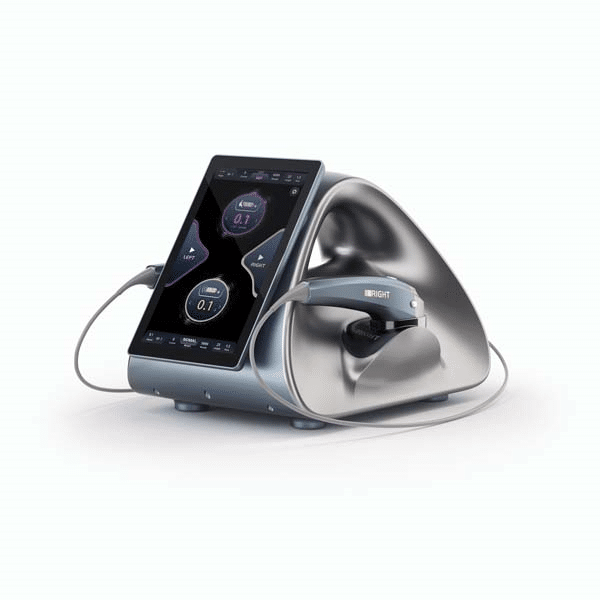
This is where VIVAHIFU sits. They make professional HIFU machines — everything from portable single-handle units to multi-cartridge systems — for clinics that want the lifting treatment without the six-figure brand premium. And there’s one specific thing they do that matters more than the machine itself, which is the next section.
The Cost Nobody Quotes You: Transducers and Cartridges
Here’s the line item that decides whether your “affordable” machine stays affordable. Every HIFU handpiece uses a cartridge — sometimes called a transducer — that holds a fixed number of “shots” or lines. Use them up, and the cartridge is done. Replace it, and the meter starts again.
This is the real operating cost of a HIFU practice, and it’s where the two markets diverge sharply.
A brand-name system locks you into its own cartridges. You pay what the brand charges, every time, with no second source. That’s not a flaw in the system — it’s the business model — but it means your per-treatment cost is set by someone else’s price list.
Generic HIFU cartridges are a different story. They’re widely available and cheap — commonly $50 to $150 each. But here’s where quality comes in, because not all cartridges are built the same. A poorly made transducer fires unevenly, drops energy partway through its shot count, or wears out early. You won’t see it on a spec sheet, but you’ll see it in inconsistent results and annoyed clients.
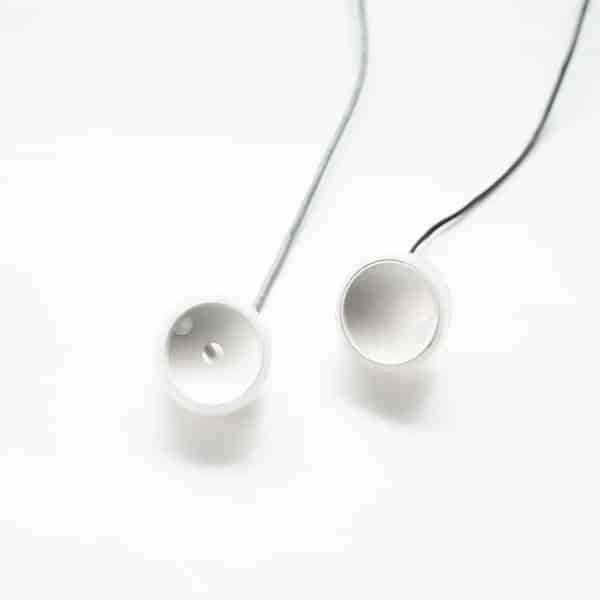
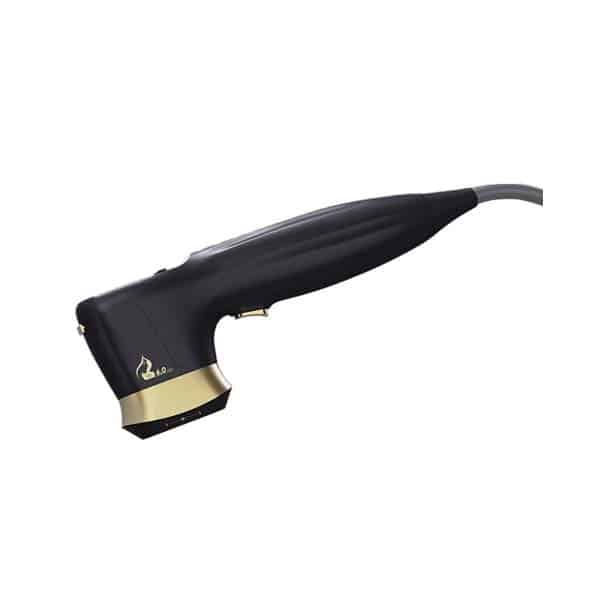
That’s why who manufactures the cartridge matters as much as who assembles the machine. VIVAHIFU makes its own HIFU cartridges and transducers in-house — they’ve been manufacturing this equipment since 2003, out of a 6,000-square-meter factory with ISO, CE, and FDA certification. Plenty of brands just buy generic cartridges from a third party and stick their logo on the machine. When a manufacturer controls the transducer itself, the energy output stays consistent from the first shot to the last, and replacement cartridges stay available (and reasonably priced) for the life of the machine. For a device you’ll be using on paying clients every day, that’s the detail worth asking about.
Used and Refurbished Machines: The Real Risks
A used HIFU machine can be tempting — $1,000 to $5,000 can get you into a treatment you’d otherwise pay ten times more for. Refurbished brand-name systems, at $30,000 to $70,000, are the middle path for buyers who want the name but not the full sticker.
The risks are real, though. A used machine has unknown history: how many shots are left on the cartridges, whether the energy output has drifted, whether it’s been serviced or dropped. And a “deal” that comes with no warranty and no support can turn into a paperweight the first time something fails.
If you go this route, do these checks before you pay:
- Serial number — confirm the machine is genuine and not a clone; contact the original manufacturer if you can.
- Remaining shots — ask the seller to show the pulse count on every cartridge. This is where most of the value lives.
- Live test — power it on and watch the screen, the energy output, and (if it has it) the imaging.
- Service records — any paperwork of past repairs or maintenance is gold.
- A second opinion — if you can, have a biomedical tech who services these units look at it.
Used can work. It just demands the diligence most buyers skip.
Full Cost of Ownership: A Realistic First-Year Budget
The sticker price is not what the machine costs you. Let’s lay out a realistic first year for a new clinic adding a HIFU treatment, so nothing ambushes you later.
| Cost item | Entry HIFU ($2,500 machine) | Brand-name Ultherapy ($80,000 machine) |
|---|---|---|
| Machine (upfront) | $2,500 | $80,000 |
| Cartridges / transducers (year 1) | $1,500 – $3,000 | $10,000 – $25,000 |
| Staff training | $0 – $500 (often included) | $3,000 – $8,000 |
| Marketing & launch | $1,000 – $3,000 | $5,000 – $15,000 |
| Maintenance / warranty beyond year 1 | $200 – $500 | $2,000 – $6,000 |
| Realistic first-year total | ~$5,000 – $9,500 | ~$100,000 – $134,000 |
The gap in the last row is the number that actually matters. A $2,500 HIFU machine costs you maybe $5,000 to $9,500 to run for a year. A brand-name system costs six figures before you’ve booked a single client. Both do a skin-lifting treatment. The question isn’t which one is “better” in the abstract — it’s which one fits your balance sheet.
How Long Until You Break Even? (ROI Math That Actually Works)
Let’s do the math the way it actually plays out, not the way a sales brochure does it.
The HIFU path. Say you buy a $2,500 machine and charge $300 for a full-face session. A generic cartridge might cost you $30 to $50 per treatment, leaving you roughly $250 in margin per session before overhead. That’s about ten sessions to cover the machine. At three sessions a week — a modest, realistic pace for a working salon — you’re in profit within your first month.
The brand-name path. Now the $80,000 machine, charging $2,500 per session. Each branded transducer costs far more, and you’re buying replacements on the brand’s schedule. Even at a generous margin, you need roughly thirty-plus sessions just to cover the hardware — and that’s before the $10,000+ in transducer spend you’ve already racked up. If your market can fill that many $2,500 sessions a month, it works beautifully. Most new clinics can’t.
The honest conclusion: a brand-name system is a marketing investment as much as a clinical one. You’re paying for the name that fills the schedule. A HIFU machine is a capacity investment — cheap enough that you break even on volume, then it prints margin. Neither is wrong. They’re for different stages of the same business.
New vs Used vs HIFU: How to Decide
If you’re stuck, here’s the short version of how I’d think about it:
- New clinic, thin budget, needs results fast → generic HIFU machine. Break even in weeks, not years, and you can always upgrade later.
- Established clinic with clients who ask for “Ultherapy” by name → the brand-name system earns its keep, because the demand already exists in your market.
- Budget buyer who’s comfortable inspecting hardware → a used machine, but only with the checks above and a plan for repairs.
- Most practices in between → a professional HIFU machine from a manufacturer with a real track record, own cartridges, and after-sales support. That’s the sweet spot where the math and the clinical results both hold up.
What to Look for in a HIFU Machine
If you’re going the HIFU route, here’s what separates a machine that’ll run for years from one that’ll fight you in six months:
- Cartridge depths — you want 1.5 mm, 3.0 mm, and 4.5 mm for facial lifting at minimum, plus body depths (6–13 mm) if you’ll do body work.
- Shot count per cartridge — more shots per cartridge means lower per-treatment cost. Ask for the exact number.
- Who makes the cartridges — in-house manufacturing beats rebadged third-party parts. This is the single most overlooked factor.
- Regulatory paperwork — CE, ISO, and FDA (where applicable) are your baseline, not a bonus.
- Training and support — a machine with no training is a liability. Confirm what’s included and whether it’s ongoing.
- Warranty and parts — what’s covered, for how long, and can you get spares quickly.
VIVAHIFU checks these boxes on the manufacturing side: they build their own machines and their own cartridges, they’ve been at it since 2003, and they hold ISO, CE, and FDA certification. That’s the kind of provenance worth asking any vendor about — not just them.
Frequently Asked Questions
How much does an Ultherapy machine cost?
A new, brand-name Ultherapy® system typically runs $50,000 to $120,000. Refurbished units go for $30,000 to $70,000. If you’re seeing numbers far below that, you’re almost certainly looking at a generic HIFU machine being marketed with Ultherapy-style language — not the branded device itself.
Are HIFU machines and Ultherapy the same thing?
No. Ultherapy® is a specific branded device with real-time imaging, made by Merz Aesthetics. HIFU is the underlying technology, and many manufacturers build HIFU machines. The physics are similar; the branding, imaging, and price are not.
Why are HIFU machines so much cheaper than Ultherapy?
A branded system carries the cost of real-time imaging hardware, FDA clearance history, published clinical studies, and brand recognition — plus a locked-in cartridge revenue model. A HIFU machine skips the imaging and the name premium, and its cartridges are commodity-priced. The treatment mechanism is the same.
What’s the biggest hidden cost after buying a HIFU machine?
Cartridges and transducers. Each one has a limited number of shots and must be replaced. On a brand-name system these are proprietary and expensive; on a generic machine they’re cheap but quality varies. Factor replacement cartridges into your per-treatment pricing from day one.
How fast can a clinic recover the cost of a HIFU machine?
On a $2,500 machine charging $300 per session with ~$50 in cartridge cost, you recoup the hardware in roughly ten sessions. At three sessions a week, that’s under a month. A brand-name system, by contrast, typically needs thirty-plus full-price sessions before it pays for itself.
Is a used or refurbished HIFU machine worth the risk?
It can be, for the right buyer. The key is verifying the remaining cartridge shots, the serial number, and the service history — and having a plan for when something fails. No warranty plus no support is how a bargain becomes a loss.
Do I need special training to operate a HIFU machine?
Yes. While HIFU is non-invasive, it delivers real energy to real tissue, and depth selection matters. Most reputable manufacturers include or offer training — make sure yours does, and keep new staff trained as you grow.
Is HIFU a good treatment to add to my clinic’s menu?
For most clinics, yes — it’s a non-surgical, low-downtime lifting treatment with strong demand, especially in the 30–55 anti-aging demographic, and it pairs well with other services. The catch is picking a reliable machine so your results stay consistent and your clients stay happy.
The Bottom Line
Here’s the thing nobody selling you a machine will say out loud: “how much does an Ultherapy machine cost” is really two questions wearing the same coat. The brand-name answer is five to six figures, and it buys you the name plus real-time imaging. The HIFU answer is a few thousand dollars, and it buys you the same lifting physics without the premium.
For a clinic just adding skin-lifting to the menu, the smart move is usually a professional HIFU machine from a manufacturer that makes its own hardware and its own cartridges. Cheap enough to break even in weeks, solid enough to keep your results — and your reputation — consistent.
Ultherapy® is a registered trademark of Merz Aesthetics. VIVAHIFU is an independent manufacturer of HIFU machines and is not affiliated with Merz Aesthetics. This guide is for information only and is not a substitute for professional purchasing or legal advice.
Ready to see what a professional HIFU setup looks like? Browse our HIFU machines, portable HIFU machines, and HIFU cartridges — the hardware behind a profitable lifting treatment.