What Is a Spa? Complete Guide to Types, Benefits & Equipment (2026)
A spa is a place dedicated to health and well-being — somewhere you go to relax, recover, and improve how your body and skin feel. But the word is used so loosely today that it can mean anything from a luxury resort pool to a medical clinic that does laser treatments. This guide clears up the confusion: what a spa really is, where the word comes from, the main types of spas, and the science-backed benefits — plus the equipment you need to open or upgrade one.
What Is the History of Spa Culture?
The word spa is most often traced to the Belgian town of Spa, famous since Roman times for its mineral-rich healing springs, or to the Latin phrase sanus per aquam — “health through water.” Either way, the idea is the same: water that heals.
Spas are not a modern invention. The Greeks and Romans built elaborate public bathhouses around natural hot springs, using them for both hygiene and socializing. During the Middle Ages, monastic communities across Europe maintained hot springs for what they believed were healing properties. By the 19th century, thermal baths in places like the Czech Republic and the United States had become fashionable retreats, drawing visitors who came for the mineral-infused waters.
Today’s spas have evolved far beyond baths. Modern facilities now blend traditional water treatments like hydrotherapy with advanced technology such as laser skin resurfacing, RF skin tightening, and hydrafacials — making the spa as much a destination for results-driven beauty treatment as for relaxation.
What Exactly Is a Spa?
In its broadest sense, a spa is an establishment whose purpose is to help you relax, de-stress, and rehabilitate — through water-based treatments such as massage and balneotherapy, skincare regimens, and other holistic therapies. The term now covers everything from hotel spas and health spas to medical spas, each with a different focus and range of benefits.
At their core, spas offer three things:
- Relaxation and rejuvenation — through massage, saunas, steam rooms, and quiet lounges.
- Physical recovery — relief of sore muscles, stiff joints, and fatigue.
- Beauty and skin health — facials, exfoliation, and modern treatments using equipment like infrared saunas, hydrotherapy pools, and professional facial machines.
While every spa centers on wellness, they differ in approach. Some lean into luxury and pampering, while others are medical and therapy-oriented. Whether you want a full day of indulgence, a quick massage, or a targeted skincare session, there is a spa type that fits your goals.
8 Common Types of Spas
Not all spas are the same. Each type focuses on a different mix of health, wellness, and relaxation, so there is a right spa for every kind of spa-goer.
- Day Spa — The most common type. You visit for a few hours of treatments such as massage, facials, body scrubs, and waxing, then go home. Day spas have treatment rooms and relaxation lounges but no overnight accommodation.
- Hotel / Resort Spa — A spa located inside a hotel or resort. Guests combine their stay with massages, beauty treatments, hydrotherapy pools, and skincare services — ideal for travelers who want to unwind.
- Destination Spa — A wellness retreat where you stay specifically for spa services, fitness, nutritious food, and holistic healing. Destination spas are often set in peaceful, scenic locations and are designed for multi-day programs.
- Medical Spa (Med Spa) — A blend of a day spa and a clinic. Med spas offer medical-grade treatments such as Botox, laser skin resurfacing, laser hair removal, and chemical peels under professional supervision.
- Thermal Spa — Built around natural mineral-rich hot springs. Treatments use the healing thermal water for hydrotherapy, bathing, and treating sore muscles and skin conditions.
- Health / Wellness Spa — Focused on restoring health through therapeutic treatments such as detoxification, weight management, and stress relief. Many also offer nutrition counseling, acupuncture, and other long-term wellness programs.
- Urban Spa — A city-center spa offering time-slot appointments for people who want a treatment before, during, or after work. Convenient and fast rather than all-inclusive.
- Home / Outdoor Spa — A hot tub or hydrotherapy setup used at home or outdoors, where heated water jets relieve sore muscles and support relaxation.
What Is the Difference Between a Spa and a Day Spa?
People often use “spa” and “day spa” interchangeably, but they are not the same thing. A spa is the broad category — any wellness facility offering a full range of services and treatments. A day spa is a specific type that focuses on treatments you can complete in a single visit, without staying overnight.
The practical difference comes down to two things: length of visit and scope of services. Day spas suit people who want to decompress quickly and conveniently with focused services like a massage or facial. A full spa may offer a more holistic, longer-stay wellness experience with many more treatment types. Your choice depends on your wellness goals and how much time you want to spend.
Debunking 5 Common Spa Myths
Despite the growing number of people booking spa visits, a few myths still stop others from enjoying the full range of spa services. Here are five worth putting to rest:
- “Spas are only for unwinding.” Spas offer far more than relaxation. Many therapies support muscle recovery, improve blood flow, and deliver genuine therapeutic value.
- “Spa treatments are always expensive.” Luxury treatments exist, but so do affordable spa days, packages, and membership deals.
- “Spas aren’t for men.” Spas offer specialized massage, facial, and therapeutic hydrotherapy services designed for men’s wellness.
- “There’s no science behind spa treatments.” Water-jet hydrotherapy, steam baths, and thermal water therapies are all supported by published research.
- “All spas are the same.” In reality there are many types — health spas, medical spas, hotel spas — each serving a different purpose.
Scientifically Proven Spa Benefits
People visit spas to relax, but the benefits go well beyond pampering. Research shows that regular spa treatments can improve both physical and mental health. Here are five benefits backed by science:
Reduces Stress
Stress reduction is one of the most recognized spa benefits. Therapies such as massage and aromatherapy have been shown to lower cortisol, the body’s main stress hormone, while activating the parasympathetic nervous system — calming the mind, reducing anxiety, and promoting relaxation.
Relieves Pain
If you deal with chronic pain or sore muscles, spa treatments can help. Hydrotherapy — especially warm-water treatments like hot tubs and hydro-massage — relieves pain in sore muscles and joints and helps maintain range of motion by increasing circulation and reducing muscle tension.
Improves Blood Circulation
Steam baths and thermal water treatments are proven to improve circulation. Warm water causes blood vessels to widen (vasodilation), which boosts blood flow and delivers more oxygen and nutrients throughout the body — supporting recovery, reducing inflammation, and promoting heart health.
Supports Healthy Skin
Many spa treatments are designed specifically for healthier skin. Exfoliation, facials, and medical-spa procedures like microdermabrasion and chemical peels remove dead skin cells, unclog pores, and stimulate skin renewal — replenishing dry skin, fighting signs of aging, and restoring a youthful glow.
Promotes Detoxification
Saunas and steam rooms are built around detoxification. Sweating is the body’s natural way of releasing toxins, and heat-based treatments encourage the skin to do exactly that. Regular use can help the body clear environmental toxins and support kidney and liver function.
Common Spa Facilities and Treatments
Most spas share a familiar set of facilities. Typical amenities include swimming pools, saunas, steam rooms, hot tubs and jacuzzis, hydrotherapy pools, thermal suites, and relaxation rooms — with some larger facilities also adding gyms or fitness suites.
The most common treatments include:
- Massages — Swedish, deep tissue, hot stone, Thai, aromatherapy, and reflexology.
- Facials — hydrating, deep-cleansing, anti-aging, and hydrafacial treatments.
- Body treatments — body scrubs, wraps, and exfoliation.
- Hydrotherapy — water-based treatments for circulation and recovery.
- Manicures and pedicures — nail and hand/foot care.
- Wellness classes — yoga, meditation, and other mind-body practices.
Spa Equipment Selection Guide 2026
Choosing the right equipment is critical to delivering great spa results. The most important criteria are the technologies the equipment uses — such as radiofrequency (RF), HIFU, and hydrodermabrasion — which directly improve the client experience. Also consider build quality (stainless steel, tough acrylics, tempered glass), energy efficiency, and ergonomics for both staff and clients. Finally, the equipment should meet international safety and compliance standards.
To hit all of these criteria, here are four machines that combine efficiency, comfort, and safety for an optimal spa experience:
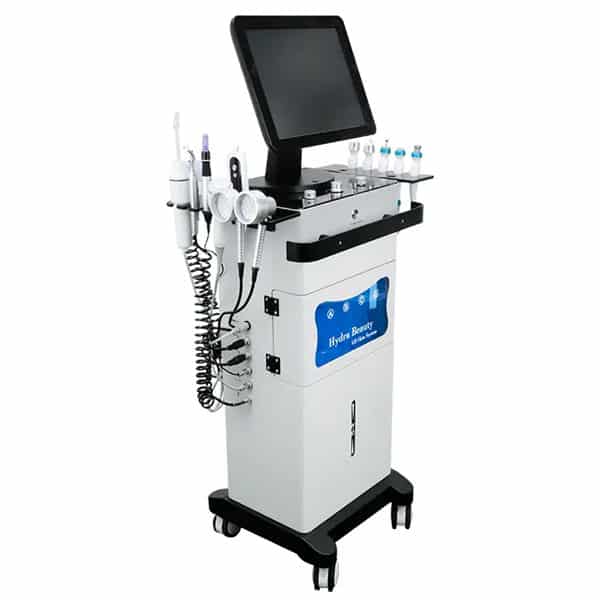
Professional Hydrafacial Machine
- Vacuum-powered deep cleansing, exfoliation, and hydration in one pass.
- Treats clogged pores, dull skin, and dehydration without downtime.
- Ideal for salons, med spas, and mobile estheticians.
A hydrafacial machine is the workhorse of the modern spa facial menu. It uses vacuum suction and a serum infusion to deep-cleanse, exfoliate, and hydrate skin in a single non-invasive treatment — a high-demand, high-margin service that clients book again and again. See the professional hydrafacial machine for a clinic-grade option.
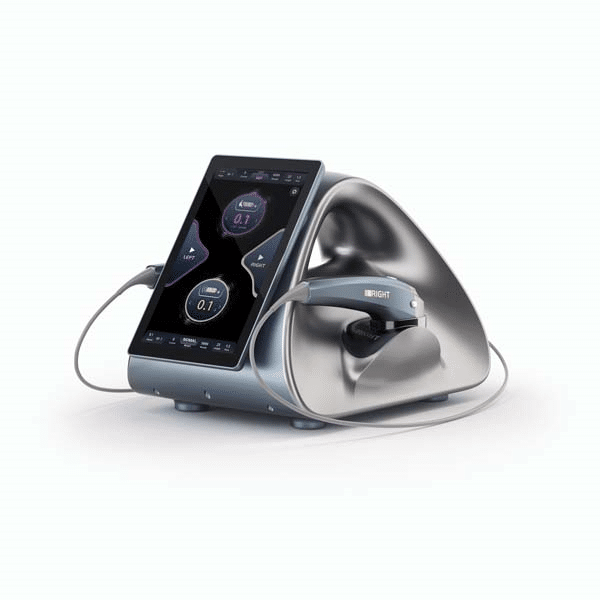
12D MAX HIFU Machine
- High-intensity focused ultrasound for non-surgical skin lifting and tightening.
- Stimulates collagen for smoother, firmer skin with long-lasting results.
- Treats both face and body.
HIFU (high-intensity focused ultrasound) targets the deeper skin layers, including the SMAS, to tighten, lift, and stimulate collagen regeneration — the same non-surgical approach behind today’s most popular anti-aging treatments. The 12D MAX HIFU machine is a strong choice for spas adding a high-ticket body-and-face service.
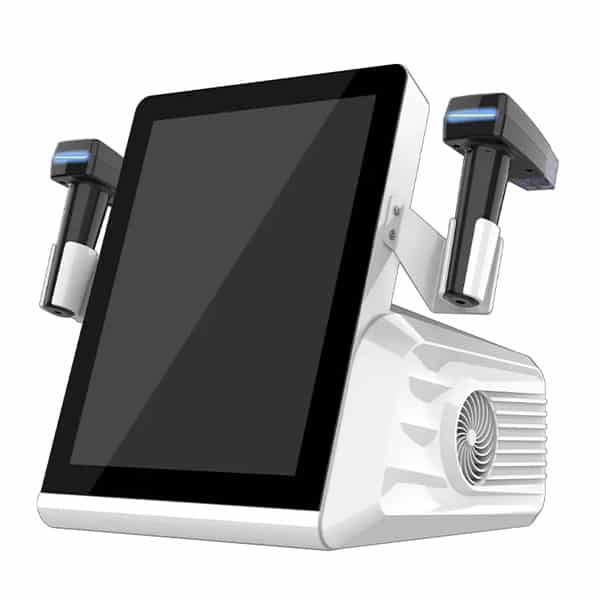
Gold RF Microneedling Machine
- Combines microneedling with radiofrequency for collagen stimulation.
- Improves acne scars, fine lines, and skin texture.
- Adjustable needle depth for customized treatments.
RF microneedling delivers radiofrequency energy through ultra-fine needles to stimulate deep collagen production — one of the most effective treatments for acne scarring, wrinkles, and skin laxity. The gold RF microneedling machine brings this medical-grade service to a spa setting.
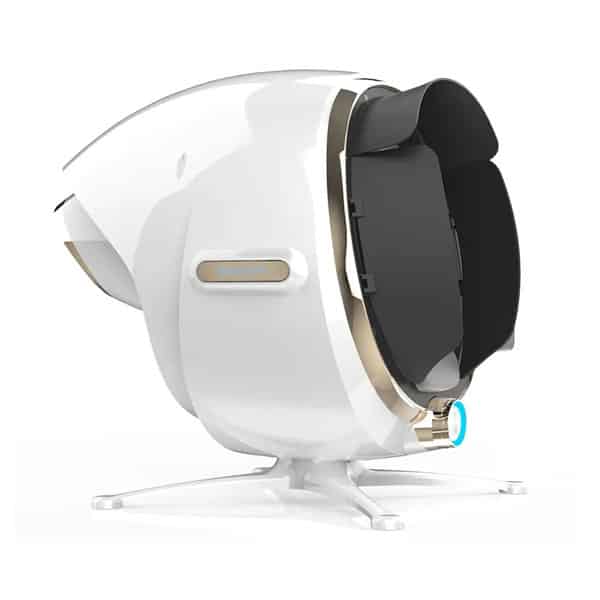
3D Skin Analyzer Machine
- Scans and analyzes skin issues for accurate, personalized treatment plans.
- Detects hydration, pigmentation, wrinkles, and pore conditions.
- Builds client trust and helps sell the right treatments.
A skin analyzer turns a consultation into a data-driven experience. By scanning the skin and revealing underlying issues, it helps you recommend the right treatments and track results over time. The 3D skin analyzer machine is an easy win for any spa looking to appear more professional and consultative.
Build Your Spa With the Right Equipment
Now that you understand what a spa is and the benefits it offers, the next step is choosing the right tools — whether you are planning your first spa visit or building a spa business. The equipment you invest in determines the quality of every treatment, so it pays to choose machines that combine performance, comfort, and regulatory compliance.
For skin rejuvenation, tightening, and overall appearance, machines like a hydrodermabrasion machine or a HIFU machine make a measurable difference. If you are planning to offer a full service menu, pairing these with a RF microneedling machine and a skin analyzer gives you a complete, professional spa setup.
Frequently Asked Questions
What does spa stand for?
The most common explanation is the Latin phrase sanus per aquam, meaning “health through water.” The word is also linked to the Belgian town of Spa, famous for its healing mineral springs.
What is the difference between a spa and a salon?
A salon focuses mainly on hair, nails, and beauty services, while a spa is centered on relaxation and wellness — massages, facials, hydrotherapy, and body treatments. Many modern facilities offer both, but the core difference is wellness versus grooming.
Do I need to stay overnight at a spa?
No. Day spas are designed for visits of just a few hours with no overnight stay. Only destination and some resort spas are built around overnight or multi-day stays.
What should I wear to a spa?
Comfortable, loose clothing is best. Most spas provide robes, towels, and slippers for use during treatments and around wet areas like saunas and pools.
Are spa treatments good for your health?
Yes. Research links regular spa treatments to lower stress, pain relief, improved circulation, healthier skin, and better overall well-being.
What equipment does a spa need?
A basic spa needs massage tables and wet-area facilities like saunas or steam rooms. A full-service or med spa typically adds a hydrafacial machine, a HIFU machine, and a skin analyzer for advanced treatments.